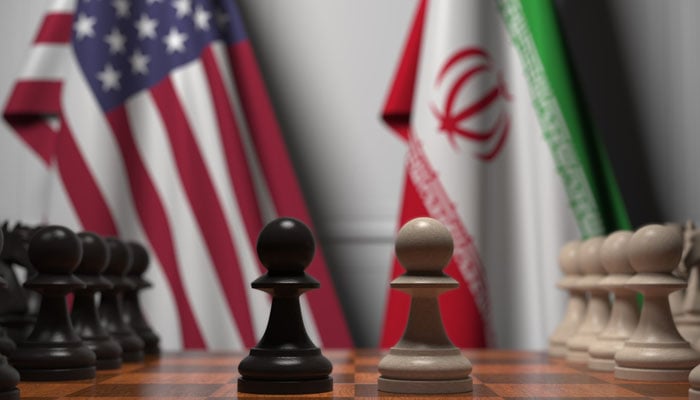
DUBAI/WASHINGTON: The United States (US) and Iran have reached a preliminary agreement aimed at end months of conflict, with both sides expected to formally sign the memorandum of understanding in Switzerland on Friday.
US President Donald Trump announced that a deal with Iran had been completed, while Pakistani Prime Minister Shehbaz Sharif, who played a mediating role in the talks, confirmed that an agreement had been reached. The framework is intended to halt military operations and pave the way for broader negotiations on key issues, including sanctions relief and Iran’s nuclear program.

According to statements from Iranian officials, military operations across all fronts, including Lebanon, are set to end permanently. The ceasefire is expected to provide a 60-day window for negotiators to work on a more comprehensive agreement covering long-standing disputes between Washington and Tehran.
According to statements from Iranian officials, military operations across all fronts, including Lebanon, are set to end permanently. The ceasefire is expected to provide a 60-day window for negotiators to work on a more comprehensive agreement covering long-standing disputes between Washington and Tehran.
One of the most significant outcomes of the preliminary pact is the planned reopening of the Strait of Hormuz, a critical route for global oil and gas shipments. President Trump said shipping traffic would resume and that the US blockade of Iranian ports would be lifted. The announcement immediately affected energy markets, with global oil prices falling sharply and Asian stock markets posting gains.
Despite the breakthrough, major questions remain unresolved. The future of Iran’s nuclear program is expected to dominate upcoming negotiations. While US officials maintain that any final agreement should lead to the dismantling of Iran’s nuclear capabilities, Iranian representatives have indicated that Tehran seeks to retain certain nuclear activities under international oversight.
The conflict, which began earlier this year, has resulted in thousands of casualties and disrupted regional stability. It has also contributed to rising energy prices and growing political pressure on leaders involved.
International leaders welcomed the development, describing it as an important step toward de-escalation. European governments signaled a willingness to consider sanctions relief if Iran takes verifiable measures to limit its nuclear activities, while emphasizing the importance of restoring stability and freedom of navigation in the region.