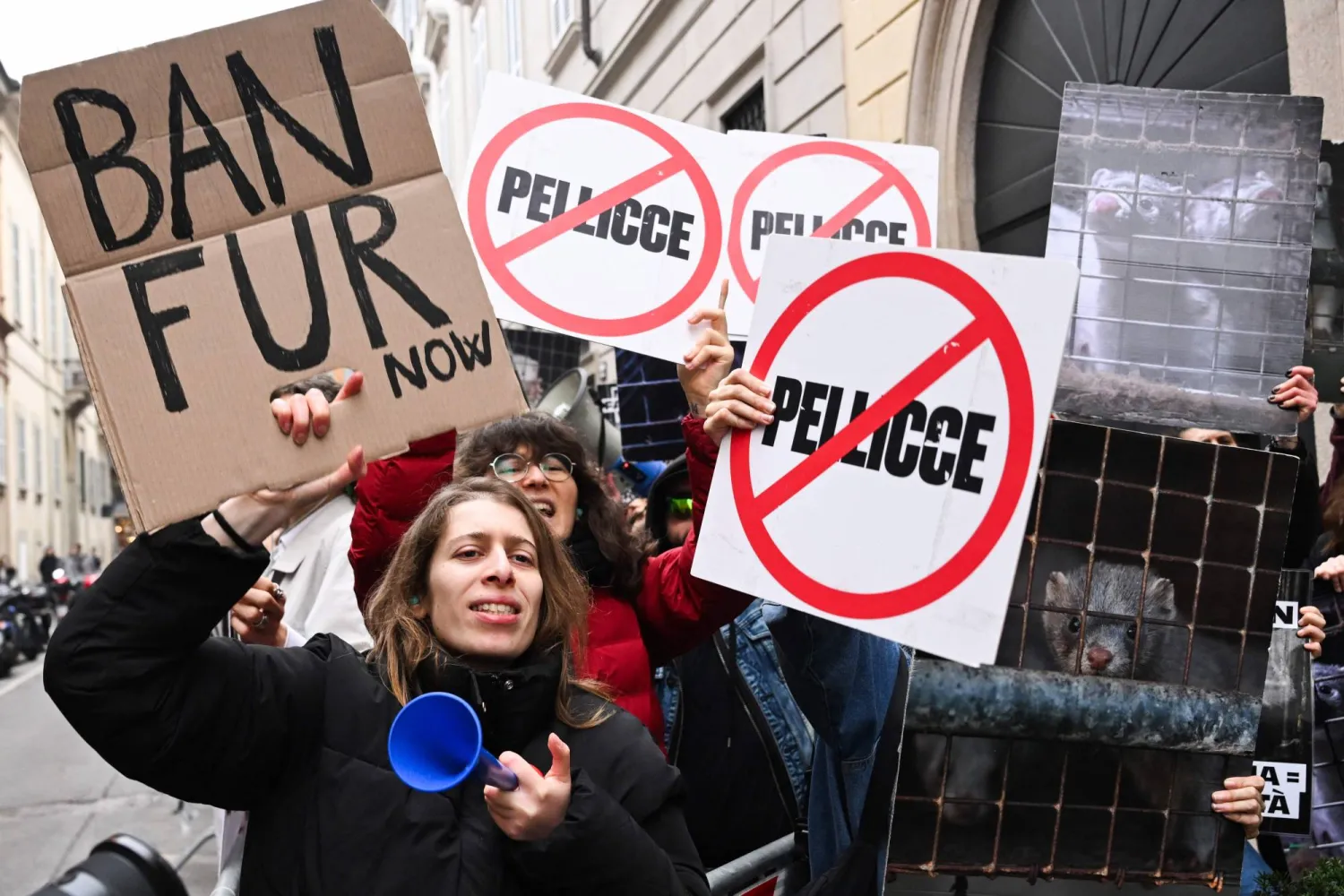
Milan Fashion Week has announced new guidelines encouraging participating brands not to showcase fur products on its runways, marking a partial response to growing pressure from animal rights activists demanding a full ban.
The National Chamber of Italian Fashion, which organises Milan Fashion Week, said brands will be “invited” not to display clothing, accessories or other products made from fur during upcoming shows. However, the policy stops short of making the restriction mandatory, unlike fashion weeks in cities such as London and New York, which have already adopted full fur bans.
Read More: Milan Fashion Week fires up catwalks despite cautious outlook
The updated guidelines will come into effect from September and also include a commitment by the chamber to avoid using fur in its official communications and promotional materials.
In its statement, the organisation said it preferred encouraging industry change through requests rather than imposing outright bans. The chamber argued that cooperation with brands would be a more effective strategy for shifting industry practices.
Certain materials remain exempt from the guidance, including shearling, vintage fur and fur sourced by indigenous communities through traditional subsistence hunting practices.
Many major luxury labels participating in Milan Fashion Week have already adopted fur-free policies in recent years. These include the Armani Group, Dolce & Gabbana and Prada, all of which have moved away from using fur in new collections.
One of the most closely watched exceptions has been Fendi, historically known for its fur heritage. The brand recently presented designs featuring reworked or remodelled fur pieces under new creative leadership.
Animal rights groups welcomed Milan’s announcement as a positive development but criticised the absence of a binding prohibition.
Campaigners have argued that without a formal ban, brands can still choose to include fur in runway collections, limiting the effectiveness of the guidelines.
Read More: Fendi brings multicoloured floral, geometric patterns to Milan show
Earlier this year, activists staged demonstrations during Milan’s women’s fashion shows, calling on organisers to adopt a fully fur-free policy similar to other global fashion capitals.
Despite falling short of campaigners’ demands, the new framework signals a shift in Italy’s fashion industry as sustainability and ethical sourcing continue to shape consumer expectations and luxury brand policies worldwide.