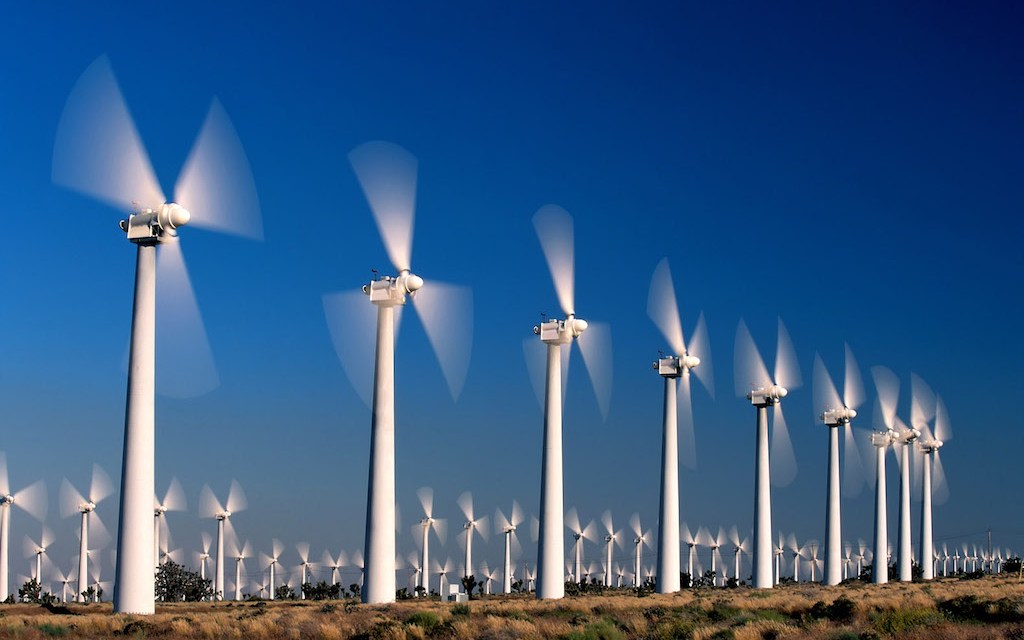
Power Cement Limited has inaugurated a 7.5MW wind captive power project at its plant site under a financing arrangement worth ₨1.5 billion, marking a major step toward renewable energy adoption. The project was developed in collaboration with Burj Clean Energy Modaraba and officially launched on May 13, 2026, according to corporate disclosures submitted to the Pakistan Stock Exchange.
The financing structure was arranged through a consortium led by Bank of Punjab with participation from National Bank of Pakistan and Pak Kuwait Investment Company. Moreover, officials confirmed that the wind energy facility was developed under a lease arrangement designed to support long-term industrial energy efficiency and cost stability.
Read more : Privatisation commission advances plans for power firms and …
Burj Clean Energy Modaraba stated that the project represents a significant milestone as Pakistan’s first green captive power transaction between the two partner companies. Additionally, the initiative aims to support industrial decarbonisation by reducing reliance on fossil fuels and encouraging broader adoption of renewable energy in heavy industries.
Power Cement said the wind power project will strengthen operational efficiency by lowering energy costs and improving internal power supply stability. Furthermore, the company expects increased use of renewable energy to reduce exposure to volatile fuel prices while enhancing long-term production sustainability at its manufacturing facilities.
Read more : PSX snaps losing streak with 1,344-point gain
The project developers highlighted that the 7.5MW capacity will provide cleaner electricity to the cement plant while contributing to environmental sustainability targets. In addition, the collaboration demonstrates growing interest in corporate renewable energy solutions across Pakistan’s industrial sector as companies shift toward greener production models.
Overall, stakeholders described the development as an important step toward integrating renewable energy into industrial operations in Pakistan, especially in energy-intensive sectors like cement manufacturing. As a result, the project is expected to serve as a model for future wind-based captive power investments supported by structured financing arrangements.