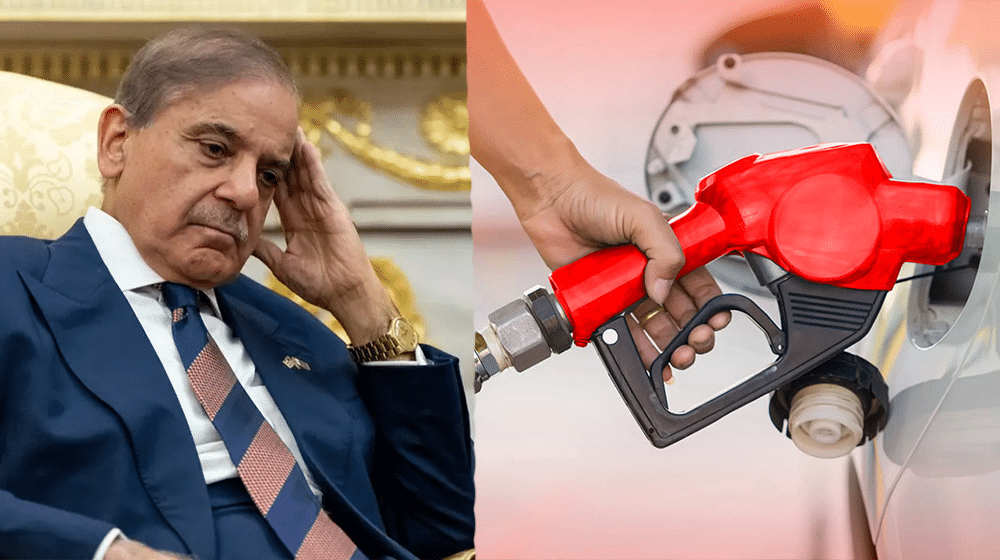
Domestic gas consumers in Pakistan may soon face higher utility bills after the government decided to gradually end nearly Rs140 billion in cross-subsidies currently supporting the gas sector. Officials from the Petroleum Ministry said the subsidy system will be phased out by January 2027 as part of broader economic reforms promised to the International Monetary Fund under ongoing financial commitments and restructuring plans.
The planned reforms indicate that gas, like electricity, could become significantly more expensive for many households as the government withdraws the existing tariff support mechanism. Officials explained that future relief measures will no longer depend on the amount of gas or electricity consumed by households. Instead, financial support will be linked directly to income levels so that assistance reaches only deserving and low-income families across the country.
Read more : Pakistan raises petroleum prices above Rs400 per litre –
Authorities said the government intends to use data from the Benazir Income Support Programme to identify households eligible for financial support. Under the new approach, qualifying consumers will receive direct cash assistance rather than subsidised gas tariffs through the current pricing structure. Officials believe this system will improve transparency while reducing financial pressure on the national energy sector and ensuring subsidies are distributed more fairly.
Meanwhile, preparations are also underway to end the existing protected and non-protected gas tariff categories currently used for domestic consumers. At present, protected consumers receive gas at rates far below the average national tariff, creating a large subsidy burden on the system. Officials confirmed that the government is considering a proposal to implement a uniform average gas tariff for all consumers, which currently stands near Rs1,750 per MMBTU.
Read more : Govt hikes petrol, diesel prices by nearly Rs 15 per litre –
The reforms are also expected to reduce the cross-subsidy burden currently carried by industries, CNG stations, commercial businesses and the cement sector. Government officials argued that these sectors have long been forced to pay higher tariffs to compensate for subsidised domestic gas prices. By restructuring the tariff system, authorities hope to create a more balanced and financially sustainable energy market while improving efficiency throughout the gas distribution network.
The latest move forms part of wider economic restructuring efforts aimed at stabilising Pakistan’s energy sector and meeting conditions agreed with international lenders. However, the decision is likely to increase concerns among domestic consumers already struggling with inflation and rising electricity costs. As the government moves closer to implementing the reforms, households across the country may prepare for another major increase in monthly utility expenses during the coming years.