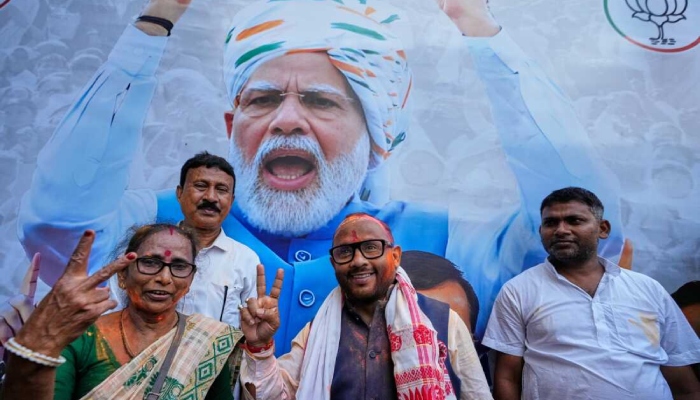
The reported victory of the Bharatiya Janata Party (BJP) in West Bengal has triggered serious questions over electoral transparency in India. Political observers say the outcome has been overshadowed by allegations of voter list manipulation and election irregularities.
According to analysts, around 9 million voters were removed from electoral rolls ahead of the vote during a Special Intensive Revision process. Critics claim that most of the deleted voters belonged to Muslim and Dalit communities, raising concerns of targeted exclusion. The issue has sparked widespread political debate.
Read more: Modi’s BJP set for Bengal takeover
Former West Bengal Chief Minister Mamata Banerjee has accused the Election Commission of unfair practices during the electoral process. Opposition leaders allege that minority voters were systematically targeted, affecting the fairness of the election. These claims have intensified scrutiny of the voting process.
Observers also pointed to the deployment of over 250,000 central security personnel during the elections. They argue that heightened security in Muslim-majority areas may have created an atmosphere of fear, potentially influencing voter turnout. This has further fueled controversy around the conduct of the polls.
Read more: How India Drifted from Its Founding Ideals?
Post-election developments have added to tensions, with reports of violence and communal unrest in several areas. Allegations of removal of minority-related signage and installation of religious symbols have also emerged. The situation has raised concerns about post-poll stability and political polarization.