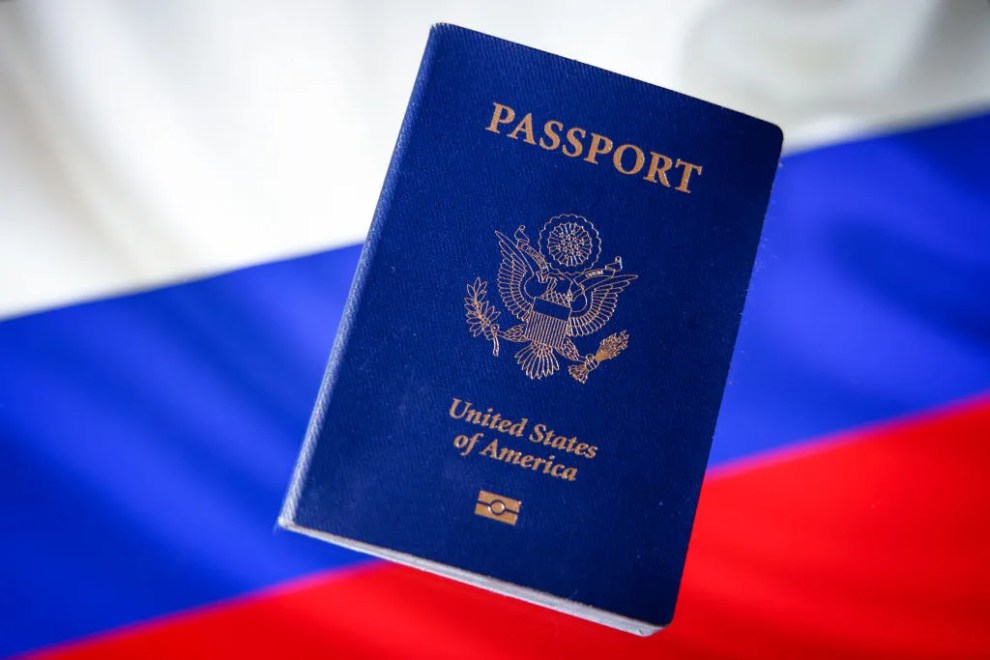
The United States (US) government has announced stricter enforcement of a long-standing law allowing the cancellation or denial of passports for individuals who fail to pay child support, particularly those owing more than $2,500. The move is expected to affect thousands of parents across the country and has reignited debate over financial responsibility and personal freedom.
Read More: NA acknowledges Pakistan Sweet Homes’ services in making orphan useful citizen
Under the new enforcement drive, the US State Department can now revoke or restrict passports of parents who are significantly behind on child support payments. Officials said the measure aims to ensure that children receive the financial support they are legally entitled to, while encouraging defaulters to settle outstanding debts.
The State Department says parents with unpaid child support debt could soon lose their passports. Officials will begin revoking passports for those owing $100,000 or more before expanding enforcement to debts above $2,500.
Full story ⬇️https://t.co/bDiMAiumBT pic.twitter.com/2Wxkz9Xpcr
— Los Angeles Magazine (@LAmag) May 10, 2026
The policy is based on the 1996 Personal Responsibility and Work Opportunity Reconciliation Act, which authorises the federal government to take passport-related action against individuals with unpaid child support obligations. While the law has existed for decades, authorities say it is now being applied more aggressively in coordination with state agencies and the Department of Health and Human Services (HHS).
According to initial estimates, around 2,700 individuals owing over $100,000 in child support have been identified for early enforcement, but officials confirmed that the broader policy could impact anyone with arrears exceeding $2,500. The State Department has urged affected individuals to immediately contact state child support enforcement agencies to avoid restrictions.
Officials argue that similar measures in the past have significantly improved child support collection rates. However, critics warn that passport cancellations could worsen financial hardship for low-income parents already struggling to meet obligations.
Legal experts say the policy may face future challenges in courts and political debates, particularly over whether international travel rights should be linked so directly to domestic financial disputes. Concerns have also been raised about Americans abroad who could face difficulties returning home if their passports are revoked while overseas.
Read More: NADRA reforms ID system, opens 3 Karachi centers
The policy comes amid growing national debate in the US over family law enforcement, economic inequality, and the balance between state authority and individual rights.