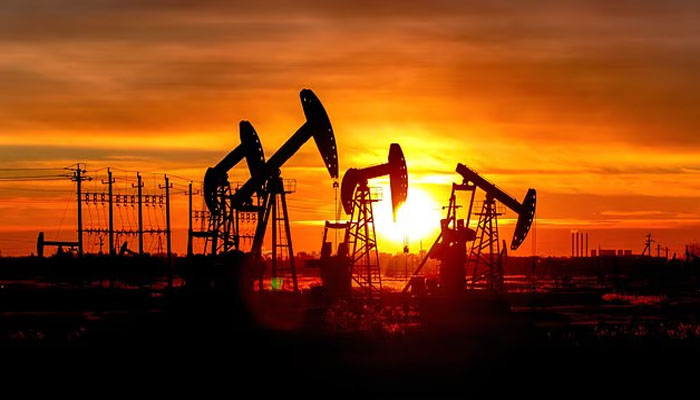
Global oil prices surged on Monday after US President Donald Trump rejected Iran’s latest response to a US peace proposal, renewing fears of prolonged supply disruptions as tensions around the Strait of Hormuz continue to unsettle markets.
Read More: Pakistan raises petroleum prices above Rs400 per litre
Brent crude futures rose by $4.16, or 4.11 per cent, reaching $105.45 per barrel in early trading. US West Texas Intermediate crude also climbed $4.38, or 4.59pc, to $99.80 per barrel.
The sharp gains followed Trump’s statement that Iran’s reply to Washington’s proposal was “totally unacceptable,” dampening expectations of an imminent diplomatic breakthrough in the 10-week conflict that has disrupted shipping and tightened global oil supplies.
Last week, both benchmark contracts had posted weekly losses of around 6pc as markets anticipated progress in negotiations that could reopen oil transit routes through the Strait of Hormuz.
Analysts said markets remain highly sensitive to political developments. Priyanka Sachdeva, senior market analyst at Phillip Nova, described oil trading as being driven by geopolitical headlines, with prices reacting sharply to every major development from Washington and Tehran.
Attention is now shifting to Trump’s upcoming visit to China later this week, where discussions with Chinese President Xi Jinping are expected to include the Iran conflict and regional stability.
Market participants are watching closely for any diplomatic progress that could encourage Beijing to use its influence with Tehran to support a broader ceasefire and ease disruptions in Gulf shipping lanes.
Meanwhile, Saudi Aramco chief executive Amin Nasser said the world has effectively lost around one billion barrels of oil supply over the past two months, warning that markets may take considerable time to stabilise even if flows resume.
Read More: Oil prices fall below 100 dollars on Iran deal hopes
Shipping data also indicated that some oil tankers have continued crossing the Strait of Hormuz with tracking systems turned off, highlighting growing security concerns for exporters navigating the region.
Analysts at ING said even if immediate supply pressures ease later this year, geopolitical risks surrounding the Strait of Hormuz are likely to keep a premium built into oil prices well into 2027.