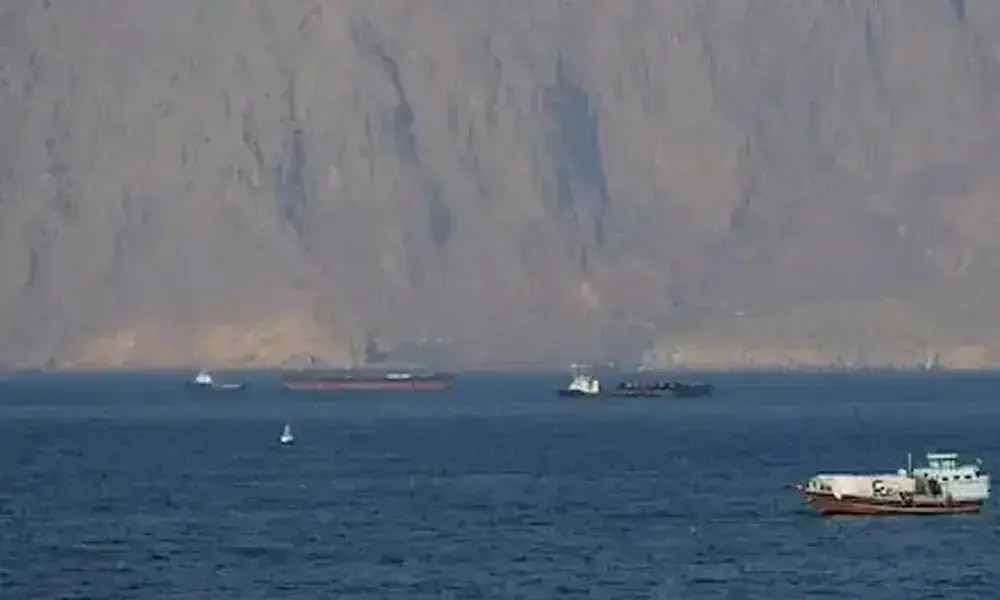
Only five ships passed through the Strait of Hormuz in the past 24 hours, according to shipping data. The sharp decline follows heightened tensions, recent vessel seizures, and ongoing military activity in the region. The waterway remains a critical global energy route.
Before the Iran war began on February 28, the strait typically saw around 140 daily ship passages. Current traffic represents only a fraction of normal maritime flow. Analysts say shipping companies are avoiding the route due to security risks.
Read more: Trump orders strikes in Hormuz blockade
Industry experts say vessels will require a stable ceasefire and firm safety assurances before normal operations resume. Shipping is currently being diverted through limited alternative routes near Iran and Oman. These routes cannot safely handle regular traffic volumes.
Recent incidents, including the seizure of two container ships, have further increased concerns. Analysts warn that even “open” transit conditions do not guarantee safety for commercial vessels. Insurance risks and operational uncertainty remain high.
Read more: Iran tightens grip on Hormuz waterway
The disruption has already affected global energy markets by limiting oil and LNG transport. Hundreds of ships and thousands of seafarers are currently stranded in the region. Experts warn that continued instability could deepen the global energy crisis.