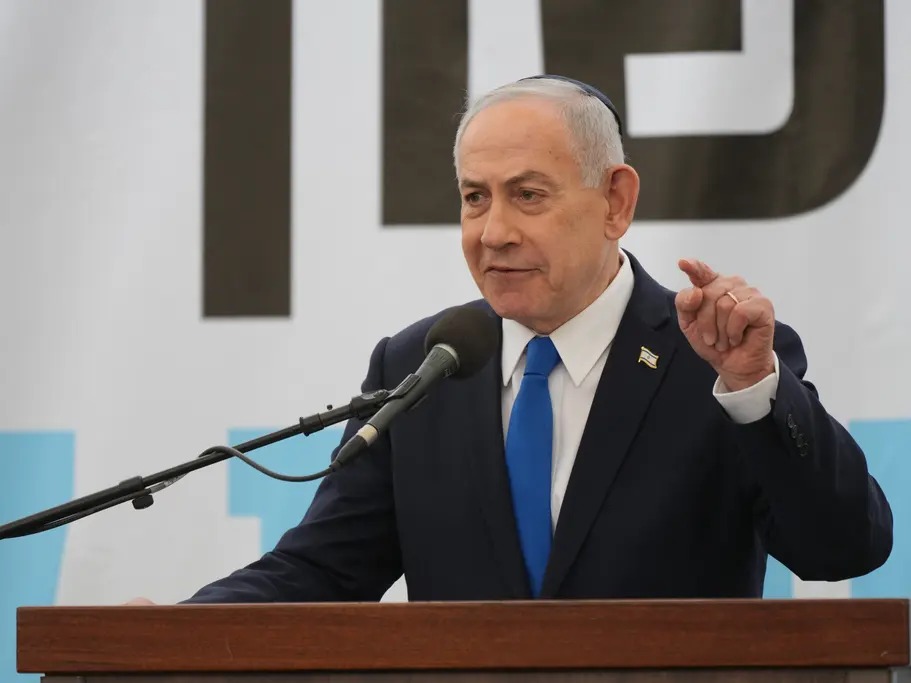
Benjamin Netanyahu has stated that the confrontation with Iran is not over and warned that new developments could emerge at any time amid ongoing regional tensions. He made these remarks during a meeting in Jerusalem while speaking to journalists alongside Argentine President Javier Milei. Consequently, his comments signaled continued instability in the already volatile situation. The statement reinforced Israel’s position that the conflict remains active.
Netanyahu emphasized that Israel remains in a state of conflict with Iran and that the situation has not yet reached any final resolution. He suggested that military and political developments could change rapidly depending on regional events. Therefore, his remarks added further uncertainty to already fragile diplomatic efforts. In addition, the statement came at a time of increased international attention on ceasefire negotiations.
Read more : Netanyahu vows Israel will continue campaign against Iran
Meanwhile, diplomatic efforts continue as Donald Trump announced that JD Vance will lead the next round of negotiations aimed at ending the conflict with Iran. These talks are expected to take place before the ceasefire deadline later this week. However, tensions remain high following accusations of violations in the Strait of Hormuz. Consequently, both sides continue to exchange warnings while diplomatic channels remain open.
The United States has also signaled potential escalation if negotiations fail, with officials warning that critical infrastructure in Iran could be targeted. At the same time, Washington continues to encourage diplomatic engagement to prevent further escalation. Furthermore, representatives at the United Nations have expressed cautious optimism about the upcoming talks. Therefore, international pressure is increasing on both sides to reach a settlement.
Read more : Netanyahu urged Trump not to pursue ceasefire during a phone call
In addition, reports suggest that a high-level Pakistani delegation led by Asim Munir recently visited Tehran to support diplomatic mediation efforts. Discussions reportedly focused on stabilizing the situation and reducing tensions in the region. Meanwhile, coordination efforts among multiple international actors continue in an attempt to prevent further escalation. As a result, Pakistan’s role in facilitating dialogue has gained increased attention.
Earlier, the conflict began in late February and saw a temporary pause in early April, although tensions never fully subsided. During this period, multiple international calls and negotiations have taken place involving key global leaders. Therefore, the situation remains fluid with no permanent resolution yet achieved. Consequently, observers continue to monitor developments closely as diplomatic and military dynamics evolve.