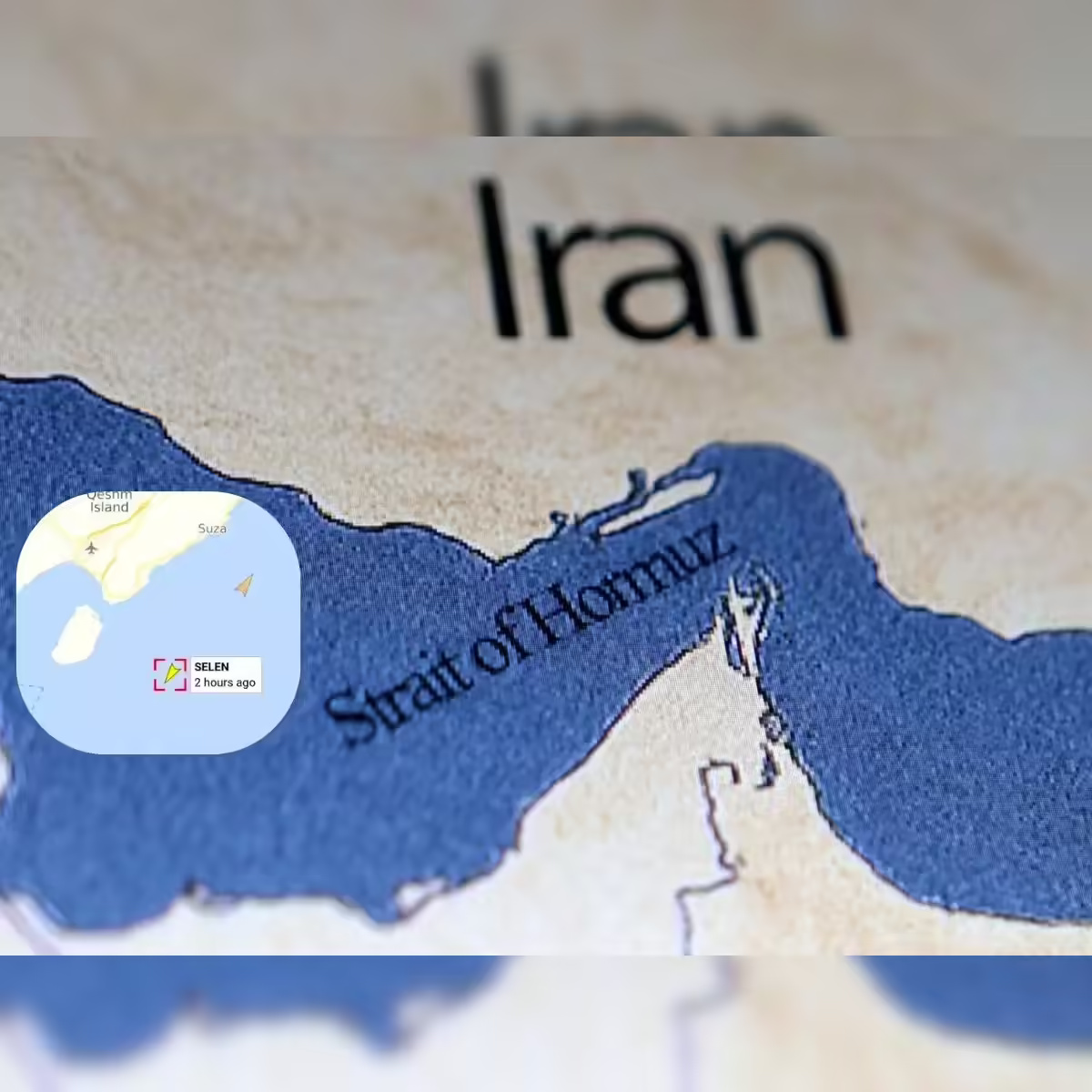
Tensions have escalated in the Gulf after the Iran warned that the strategic Strait of Hormuz may not remain open if the United States (US) continues its naval blockade of Iranian ports.
Read More: US, Iran eye Islamabad for fresh talks as Hormuz blockade tightens
Iranian officials issued the warning amid a fragile ceasefire and ongoing diplomatic efforts involving multiple regional and global actors. The Strait of Hormuz is one of the world’s most critical energy corridors, through which roughly one-fifth of global oil and liquefied natural gas shipments pass daily.
۱- رئیس جمهور آمریکا در یک ساعت هفت ادعا مطرح کرد که هر هفت ادعا کذب است.
۲- با این دروغگوییها در جنگ پیروز نشدند و حتما در مذاکره هم راه به جایی نخواهند برد.
۳- با ادامهٔ محاصره، تنگهٔ هرمز باز نخواهد ماند.— محمدباقر قالیباف | MB Ghalibaf (@mb_ghalibaf) April 17, 2026
Iranian parliamentary speaker Mohammad Bagher Ghalibaf said that continued restrictions on Iranian shipping could lead to the closure of the waterway again. He added that passage through the strait would require Tehran’s authorization if the blockade persists. Separately, Iranian Foreign Ministry spokesman Esmaeil Baqaei described the US naval actions as a violation of ceasefire understandings.
The US military has reportedly redirected several vessels since the blockade began, while maintaining a significant naval presence in surrounding waters. Washington, however, has linked the situation to broader negotiations over Iran’s nuclear program and regional security issues.
US President Donald Trump has suggested that a wider diplomatic agreement with Tehran is “very close,” while also warning that the blockade could continue if talks fail. He claimed that discussions include arrangements related to Iran’s enriched uranium, although Iranian officials have rejected some of these assertions.
The dispute over the Strait of Hormuz comes at a time of heightened regional instability, even as temporary ceasefires and diplomatic mediation efforts have shown limited progress. The waterway’s strategic importance has already influenced global oil markets, with fluctuations in prices following shifts in tensions.
Analysts warn that any disruption to the Strait could have immediate global economic consequences, particularly for energy-dependent economies. Despite ongoing rhetoric, both sides have indicated a willingness to continue negotiations, though major disagreements remain unresolved.
Read More: Iran warns over Strait of Hormuz control
For now, the situation remains highly volatile, with the future of the Strait of Hormuz closely tied to the outcome of broader US-Iran diplomatic talks.