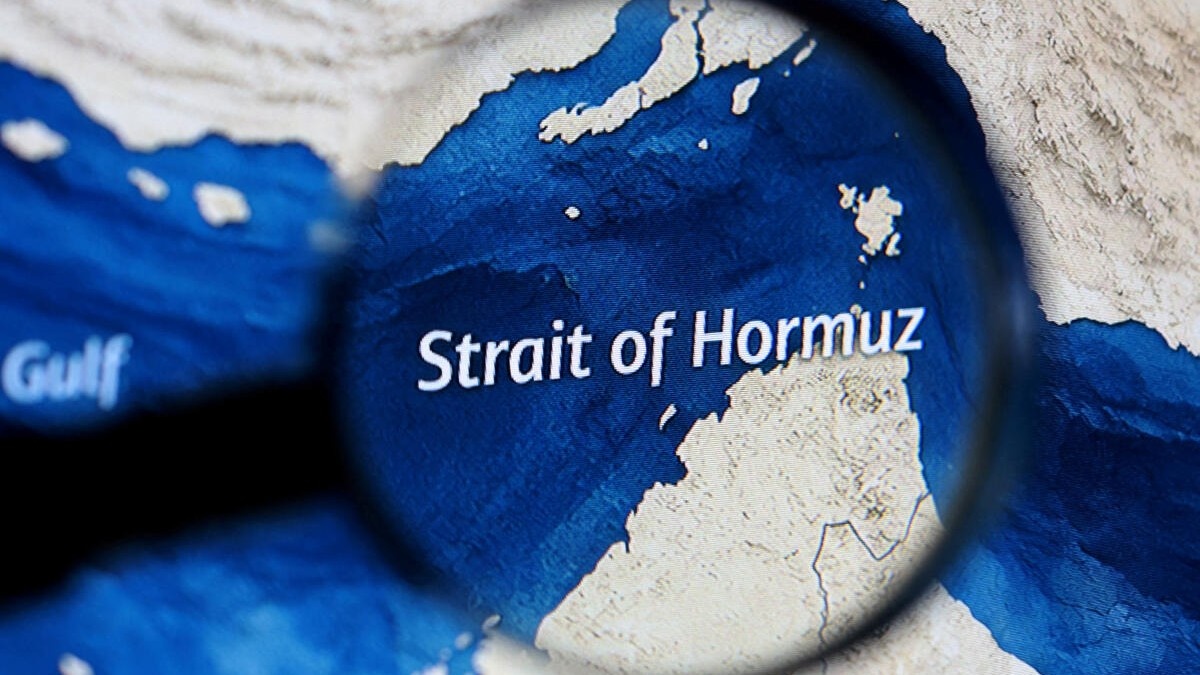
Shipping activity has resume in the Strait of Hormuz following a ceasefire agreement between the United States and Iran, signalling an easing of tensions in a key global energy corridor.
According to maritime tracking data, at least two vessels have successfully passed through the strategic waterway after the announcement of the initial two-week truce. The ships, reportedly registered in Greece and Liberia, mark the first signs of normalisation in shipping traffic after weeks of disruption.
The ceasefire, reached amid intense diplomatic efforts, includes provisions aimed at reopening the Strait of Hormuz, which handles a significant portion of the world’s oil shipments. The development has been welcomed by global markets, as the safe passage of vessels is critical for maintaining energy supply chains.
Speaking during an event in Budapest, JD Vance said there had been positive progress regarding Iran. He noted that both the United States and its allies had agreed to halt attacks, while Iran had shown willingness to reopen the vital shipping route.
Vance added that efforts were ongoing to achieve a peaceful resolution, with Donald Trump directing negotiators to work in good faith toward a broader agreement. He also acknowledged mixed reactions within Iran, where some have welcomed the ceasefire while others remain sceptical.
Read More: Iran to open Strait of Hormuz for two weeks amid ceasefire
The resumption of maritime traffic is seen as a crucial step toward stabilising the region and restoring confidence in international trade routes. The Strait of Hormuz is a key artery for global oil transport, and any disruption has immediate economic consequences worldwide. While the situation remains fragile, the restart of shipping operations offers cautious optimism that diplomatic efforts may lead to a more lasting resolution in the coming weeks.