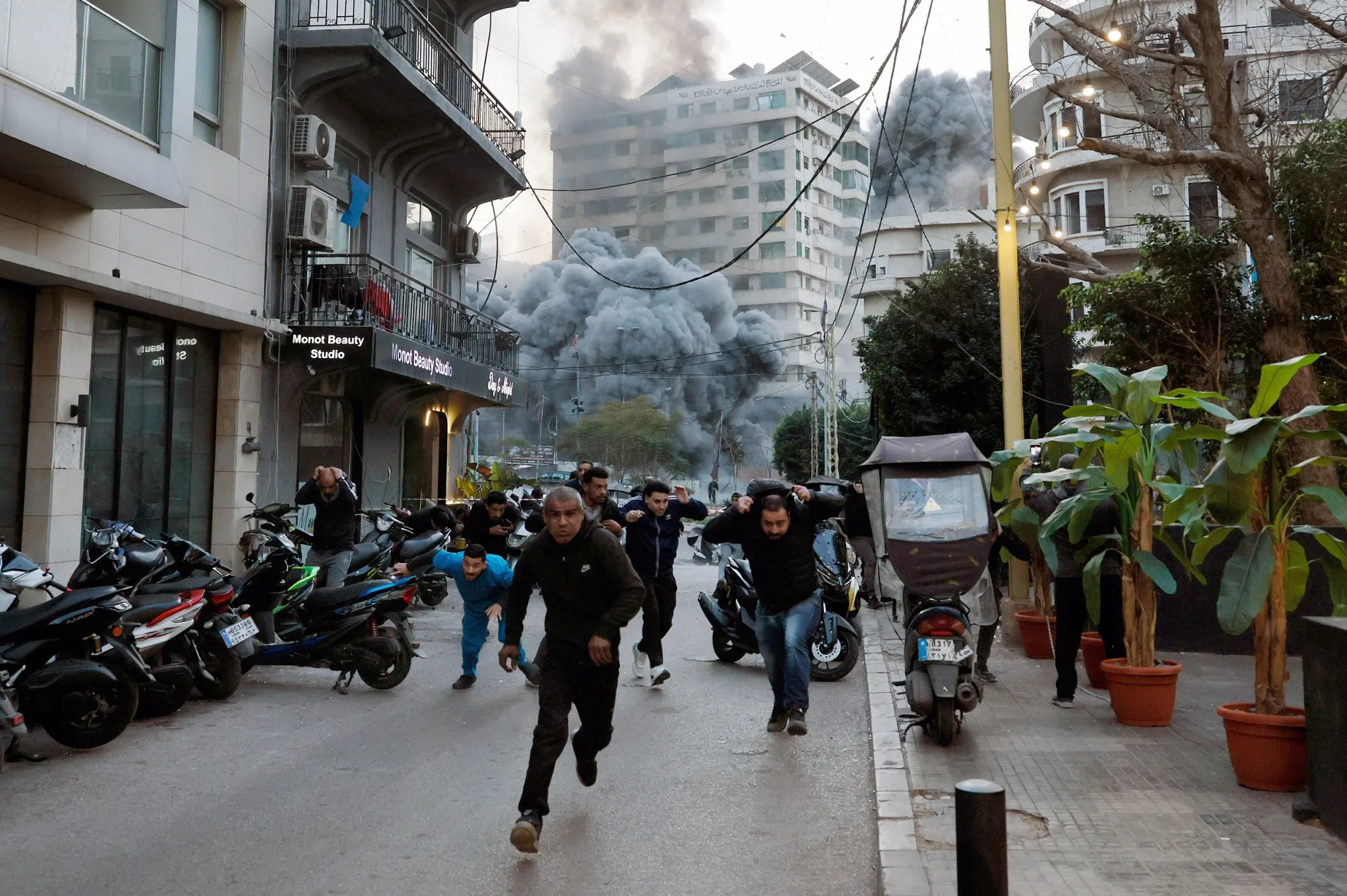
Israel faced a major intelligence failure after an airstrike in Beirut targeted a supposed Hezbollah leader but instead killed one of its own supporters, Israeli media reported.
Read More: At least 14 people killed in Israeli strikes across Lebanon
The incident occurred during a nighttime operation in the Lebanese capital, where Israeli forces believed they had identified a key Hezbollah figure. However, the intelligence proved incorrect, resulting in the death of an ally of an anti-Hezbollah group called Lebanon Force.
An Israeli strike hit the southern Beirut neighbourhood of Jnah without warning – killing at least five people.
Israel say they killed a senior Hezbollah and another senior leader in two separate strikes in the Lebanese capital.
Live updates: https://t.co/7W12skB0sC pic.twitter.com/EsjbZWDMd1
— Sky News (@SkyNews) April 1, 2026
Following the error, the Israeli Defense Forces expressed regret to Lebanon Force over the mistaken killing, acknowledging the miscalculation. The mishap has been widely discussed in Israeli media as a significant lapse in intelligence operations.
Meanwhile, Hezbollah continues its counterattacks against Israeli incursions in Lebanon. Videos have emerged showing Hezbollah targeting Israeli armored vehicles, including Merkava tanks and other military assets, using unmanned aerial vehicles (FPV drones).
The event underscores the high-risk nature of targeted strikes in urban environments, where misidentification can lead to civilian or allied casualties. Analysts note that such errors could exacerbate tensions between Israel and Lebanese groups, potentially prompting retaliatory measures.
Observers suggest that the failed operation may have implications for Israel’s intelligence credibility and operational protocols, highlighting the challenges of accurately tracking high-value targets in densely populated areas.
Read More: Israel warns Lebanon residents ahead of Hezbollah strikes
The ongoing conflict between Israel and Hezbollah remains a volatile issue, with both sides continuing military maneuvers and demonstrating capabilities to influence the balance of power in the region.