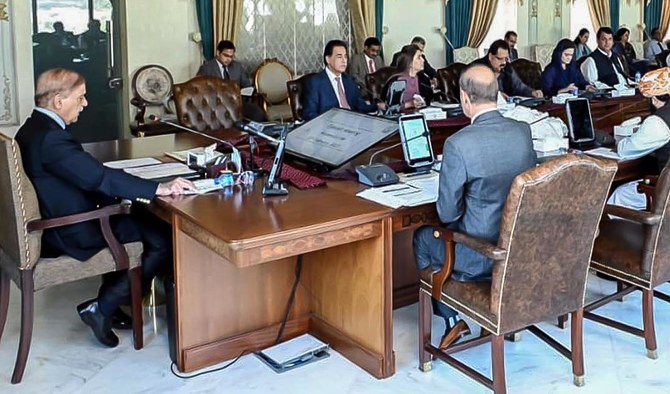
In Islamabad, official documents have revealed that members of the federal cabinet, including ministers, state ministers, advisers, and special assistants, have collectively received over Rs407.2 million in salaries and allowances during the 2026 fiscal year.
Read More: Ministers get whopping salary hike as president signs ordinance
According to the documents, a total of Rs407.216 million has been disbursed to cabinet members in the form of salaries and related benefits. This figure reflects the cumulative compensation provided to key government officials responsible for policy and administrative functions at the federal level.
In addition to salaries, substantial expenditures have also been recorded under operational and logistical support. More than Rs266.4 million has been spent on the use, maintenance, and fuel of over 100 vehicles allocated to ministers, advisers, and special assistants. These costs highlight the scale of resources dedicated to supporting official duties and mobility requirements.
The budgetary allocation for the current fiscal year for federal cabinet members, including advisers and special assistants, stands at approximately Rs688.727 million. This allocation covers salaries, allowances, and associated operational expenses throughout the year.
The disclosure of these figures provides insight into government spending on top officials at a time when economic challenges and fiscal discipline remain key concerns. Analysts often stress the importance of transparency and efficient resource management, particularly in periods of economic pressure.
While such expenditures are part of standard governance operations, public interest in financial accountability continues to grow. Observers note that ensuring responsible spending and optimizing resource utilization remain critical for maintaining public trust and supporting broader economic stability.
Read More: Govt approves massive hike in salary of ministers, advisors
The details are part of ongoing efforts to make government financial data more accessible, enabling greater scrutiny and informed public discussion on fiscal priorities and administrative costs.