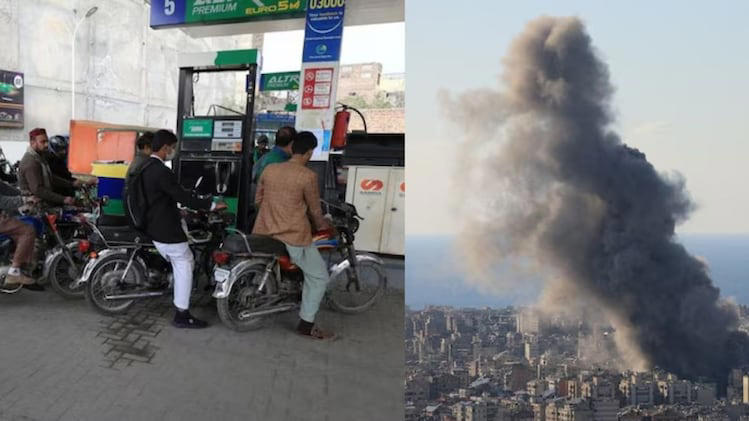
Pakistan’s federal government has announced a massive increase in kerosene oil prices, raising the rate by Rs130.08 per litre to Rs318.81 from the previous Rs188.73. Officials confirmed the revised price through a notification issued in Islamabad, adding that the new rate took effect immediately. The sudden jump reflects the growing pressure on energy-importing countries as global oil markets react to intensifying geopolitical tensions.
Earlier, the government had already raised petrol and high-speed diesel prices by Rs55 per litre after global crude markets surged sharply. Following the latest revision, petrol now costs Rs321.17 per litre compared with Rs266.17 earlier, while high-speed diesel increased to Rs335.86 per litre from the previous Rs280.86. Authorities said the decision aims to adjust domestic fuel prices in line with rapidly rising international oil costs.
Read more : Pakistan raises petrol, diesel prices by Rs55 per liter –
Meanwhile, Petroleum Minister Ali Pervaiz Malik announced the revised rates during a press briefing alongside Deputy Prime Minister Ishaq Dar and Finance Minister Muhammad Aurangzeb. Officials explained that the government had shifted from a fortnightly fuel review to a weekly mechanism because global oil markets have become highly volatile after escalating regional tensions.
Furthermore, the government revised the Petroleum Development Levy to manage fiscal pressure and maintain revenue flows. The levy on petrol increased from Rs84.40 to Rs105 per litre, while the charge on high-speed diesel was reduced from Rs76.21 to Rs55 per litre. Officials said the changes were designed to balance rising import costs while protecting certain sectors that depend heavily on diesel consumption.
Read more : Fuel prices skyrocket as ME tensions weigh on markets –
Global energy markets have faced strong turbulence due to the ongoing war involving the United States, Israel and Iran, which has disrupted shipping and oil supply chains across the Gulf region. The situation worsened after maritime routes through the Strait of Hormuz faced severe disruptions, threatening one of the world’s most critical energy corridors and creating panic in global oil trading.
As a result, crude oil prices surged by about 8.5 percent in a single day and nearly 30 percent during the week, amplifying fears of a prolonged energy crisis. The spike intensified after US President Donald Trump declared that only Iran’s “unconditional surrender” could end the escalating Middle East conflict, a statement that further unsettled already volatile global markets.