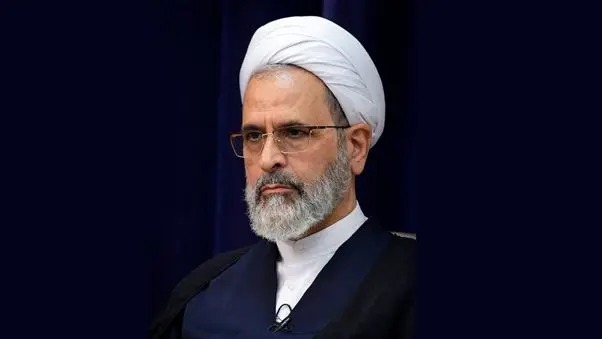
Iran has appointed Ayatollah Alireza Arafi to its interim leadership council following the reported killing of Supreme Leader Ayatollah Ali Khamenei. The council, which also includes the president and head of the judiciary, will guide the country until a permanent leader is elected. This sudden transition comes amid heightened regional tensions, placing the nation under intense political and public scrutiny. Authorities emphasized the council’s role in ensuring stability during this critical period.
The interim council assumes full authority over state affairs until the Assembly of Experts selects a new Supreme Leader. Ayatollah Arafi, a senior cleric with extensive experience in Iran’s religious and political institutions, will represent the clerical faction in decision-making. The president and chief justice provide executive and judicial oversight, creating a balanced temporary governing body. Analysts believe this arrangement aims to prevent institutional disruption while consolidating national leadership.
Read more : Iran holds funeral, names interim leaders amid ongoing war
President Masoud Pezeshkian described the assassination as a “turning point” for the Islamic world and promised a strong, decisive response. Authorities announced seven days of national holiday and a forty-day mourning period across Iran. The move is designed to honor the late leader while allowing the government time to manage security and political affairs. Public commemorations began immediately, reflecting the nation’s grief and resilience.
Reports indicate that Khamenei, who led Iran since 1989, was targeted during a joint US-Israeli strike while performing official duties. Several members of his family were reportedly killed in the attack. The event has significantly escalated tensions in the Middle East and prompted immediate concerns about regional stability and potential retaliation. The country now faces both domestic and international challenges.
Read more : Iran’s leader Khamenei assassinated in US-Israel blitz –
Following the attack, Iran reportedly launched retaliatory strikes targeting Israeli territory and US military installations in the Gulf. Explosions were reported in Tel Aviv and Jerusalem, while Gulf nations activated air defense systems. These developments signal the risk of a wider regional conflict, with Iran asserting its capability to respond while the interim council navigates this high-stakes environment.
The appointment of Ayatollah Arafi reflects a blend of religious authority and constitutional procedure, ensuring continuity in governance. His leadership, alongside the president and chief justice, will be crucial in guiding Iran through political uncertainty. Observers are closely watching how this interim council manages both domestic affairs and foreign relations in the coming weeks.