The ongoing US-Iran conflict has disrupted thousands of flights across the Middle East, causing widespread travel chaos and forcing airlines to cancel or reroute services. Major transit hubs such as Dubai International Airport, Abu Dhabi International Airport, and Hamad International Airport faced shutdowns or severe restrictions as airspace closures expanded. Following renewed strikes, regional authorities limited civilian flights to protect safety. Consequently, global aviation networks experienced immediate and significant disruption.
Read more : Trump warns Iran of unprecedented force after strikes –
Airspace over several countries, including Iran, Iraq, Kuwait, Israel, Bahrain, the United Arab Emirates, and Qatar, remained largely empty as airlines avoided conflict zones. Flight-tracking data showed extensive cancellations and diversions, with thousands of routes affected across intercontinental corridors. A new Notice to Airmen extended the closure of Iranian airspace until at least March 3, further limiting operational options. Therefore, carriers adjusted schedules while monitoring updates from aviation authorities.
The ripple effects extended far beyond the region, impacting long-haul connections between Europe and Asia that normally pass through Gulf hubs. With aircraft and crews stranded in different locations, airlines struggled to reposition resources and maintain tight international schedules. Aviation analysts noted that the volume of affected passengers and complex logistics intensified operational pressure. As a result, airlines faced higher costs due to longer routes and increased fuel consumption.
Read more : Iran launches fresh strikes on US bases after Khamenei incident
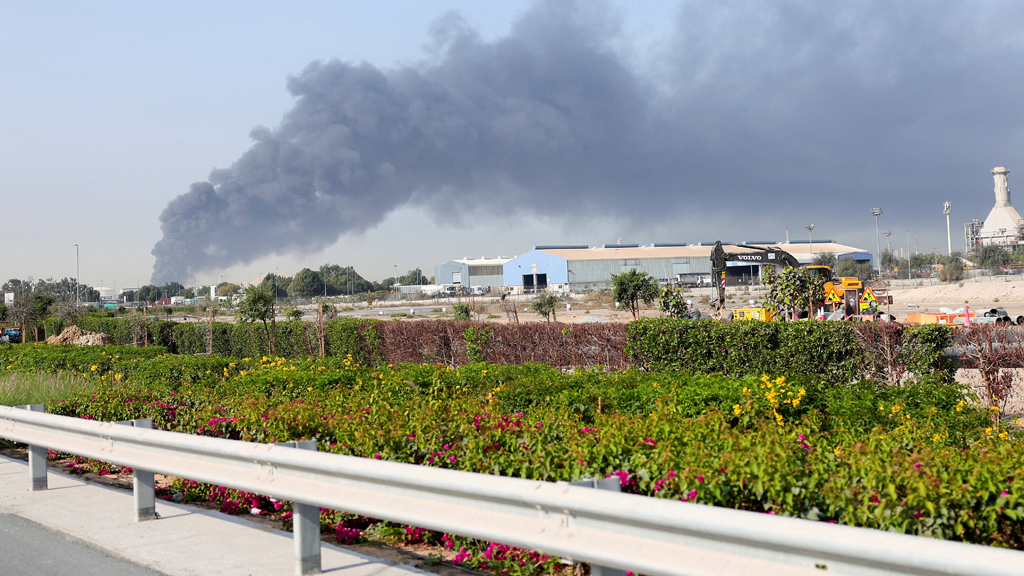
In addition, renewed strikes and retaliatory actions raised security concerns near key airports, including reports of damage to infrastructure in some locations. Loud explosions were heard near major cities, prompting further airspace restrictions and safety reviews. Flight-tracking platforms confirmed that vast areas of regional airspace remained closed or heavily limited. Consequently, commercial aviation corridors narrowed, increasing congestion along remaining safe routes.
Industry experts warned that prolonged disruption could significantly affect global travel between Europe and Asia, especially if further escalation leads to additional closures. Airlines such as Air India cancelled multiple international departures from major cities, highlighting the scale of the impact. Moreover, experts emphasized that uncertainty around airspace stability poses the greatest commercial risk. Ultimately, the conflict continues to reshape international aviation patterns and strain global connectivity.