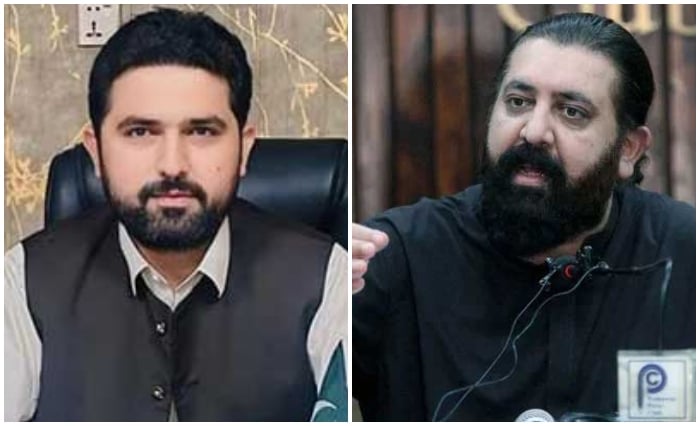
ISLAMABAD: A purportedly leaked audio of Pakistan Tehreek-e-Insaf (PTI) Information Secretary Sheikh Waqas Akram has gone viral, in which he is heard criticising the handling of a sit-in by Khyber Pakhtunkhwa Chief Minister Sohail Afridi, The News reported on Saturday.
Read More: Leaked audio involving Aleema, Raoof lays bare differences within PTI
CM Afridi staged an hours-long sit-in near Rawalpindi’s Adiala jail after authorities again denied him access to imprisoned PTI founder Imran Khan, who was briefly taken to the Pakistan Institute of Medical Sciences (Pims) for a medical procedure.
پی ٹی آئی کے پاس بہترین موقع تھا کہ وہ آج سے ہی 8 فروری کا مومینٹم بنانا شروع کر دیتی۔ لیکن ایک بار پھر پارٹی کے اندرونی اختلافات آڑے آگئے۔عین موقع پر شیخ وقاص اکرم کی آڈیو لیک نے اب واضح کر دیا کہ دن بھر سہیل آفریدی کو کون سا مسئلہ درپیش تھا۔ pic.twitter.com/XOFLm9HEtq
— Arslan Malik (@ArslanMalllik) January 30, 2026
In the leaked audio, Akram allegedly claimed that the non-participation of members of the National and Provincial Assemblies in the sit-in was due to Afridi’s planning. He said that if proper notice had been given, PTI lawmakers from KP could have attended the demonstration. Akram reportedly added that “no member of the assembly has an airplane to reach immediately” and that it was a planning issue rather than the fault of the lawmakers.
He purportedly criticised the timing of the meeting at KP House, noting that senior leaders, including Asad Qaiser and Junaid Akbar, were present, and argued that the CM should have informed them earlier about the sit-in.
Following the leak, PTI Chairman Barrister Gohar Ali Khan sought to clarify the remarks, saying the audio had been misinterpreted. He stated that Akram “did not say anything like that” and emphasised that the discussion took place in a political committee meeting attended by opposition leaders, including Allama Raja Nasir Abbas and Mahmood Achakzai.
Read More: Leaked audio, video, chat puts ECP in a fix
The audio clip has circulated widely on social media, prompting debates within party ranks and among political observers about internal coordination and communication within PTI during high-profile protests.