
Concerns over Karachi’s deepening water crisis dominated proceedings of the Sindh Assembly on Monday, as opposition lawmakers strongly criticised the provincial government for failing to ensure a reliable water supply to the metropolis and curb widespread water theft.
Read More: Sindh CM vows to protect province’s water rights amid canal
Members from the Muttahida Qaumi Movement-Pakistan (MQM-P), Pakistan Tehreek-i-Insaf (PTI) and Jamaat-i-Islami (JI) highlighted the growing influence of the tanker mafia and illegal hydrants, accusing authorities of negligence and weak enforcement. Lawmakers urged the provincial government and the city mayor to take urgent steps to repair broken pipelines and stop large-scale water theft.
Responding during Question Hour, Parliamentary Secretary for the Local Government Department Qasim Soomro informed the house that the Sindh High Court had established a special tribunal to hear water theft cases. He said amendments to existing laws were being prepared to introduce stricter penalties, adding that the tribunal would help fast-track prosecutions against those involved in illegal practices.
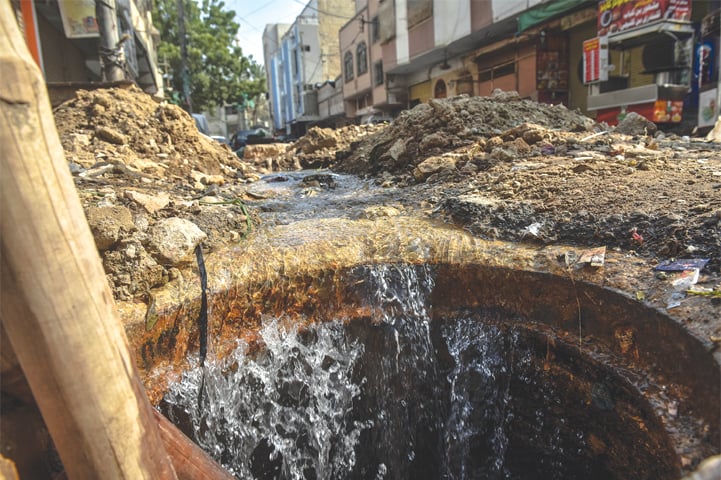
Mr Soomro also reiterated that the long-delayed K-IV water supply project would be completed within a year, claiming it would significantly reduce Karachi’s water shortage. He further revealed that a proposal was being developed with the Sindh Building Control Authority to introduce a mapping system for rainwater storage tanks in new constructions.
During the debate, MQM-P’s Dr Fouzia Hameed called for public disclosure of individuals linked to the water theft mafia and demanded non-bailable warrants against them. The parliamentary secretary said fines exceeding Rs20 million had already been imposed on offenders.
Read More: Sindh Assembly passes reolution against controversial canals project
Separately, lawmakers raised concerns over drug abuse in Karachi, prompting the excise minister to confirm ongoing anti-narcotics operations. The assembly also unanimously passed a resolution congratulating the Christian community on Christmas before the session was prorogued.