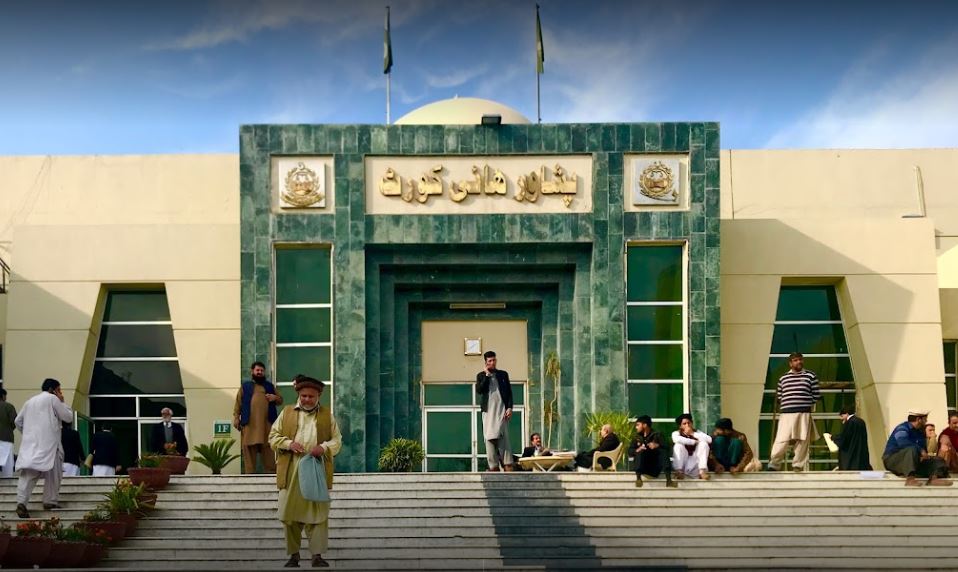
PESHAWAR: The Peshawar High Court (PHC) has annulled more than 80 judgments delivered by the Khyber Pakhtunkhwa (KP) ombudsperson under the province’s Women’s Property Rights Act, 2019, ruling that the forum lacked authority to decide complex factual women’s property disputes that fall within the jurisdiction of civil courts.
Read More: Punjab moves to enforce women’s inheritance rights with strict legal measures
A single-member bench of Justice Mohammad Naeem Anwar noted that the ombudsperson’s jurisdiction is “summary and limited,” and cannot adjudicate complicated ownership issues, partition of properties, or other disputes requiring detailed evidence and examination of witnesses. Several powers exercised by the forum were declared to exceed its legal authority and were inconsistent with other laws, including the Land Revenue Act, 1967.
The bench highlighted that in cases where civil or family litigation was pending or had already been decided, the matter must continue before the competent courts. Orders directing property partition or determining co-owner shares by the ombudsperson were ruled beyond the scope of the 2019 Act. Parties whose matters are already pending before civil or family courts were advised to pursue execution or file fresh petitions after obtaining certified copies of the PHC judgement.
The court categorized the appeals into four groups: cases against persons without property interest, disputes already sub judice or adjudicated, cases seeking possession of inherited shares, and other remaining disputes. KP Advocate General Shah Faisal Uthmankhel acknowledged deficiencies in certain provisions of the Act, including the lack of authority for the ombudsperson to direct deputy commissioners on property division.
Read More: Property disputes claim 148 lives in KP during current year
PHC emphasized that while the law aims to protect women’s property rights and provide speedy redress, matters involving intricate questions of law and fact require adjudication by civil courts. Ombudspersons may conduct preliminary assessments and summary inquiries, but cannot decide disputed titles, partition, or detailed property claims