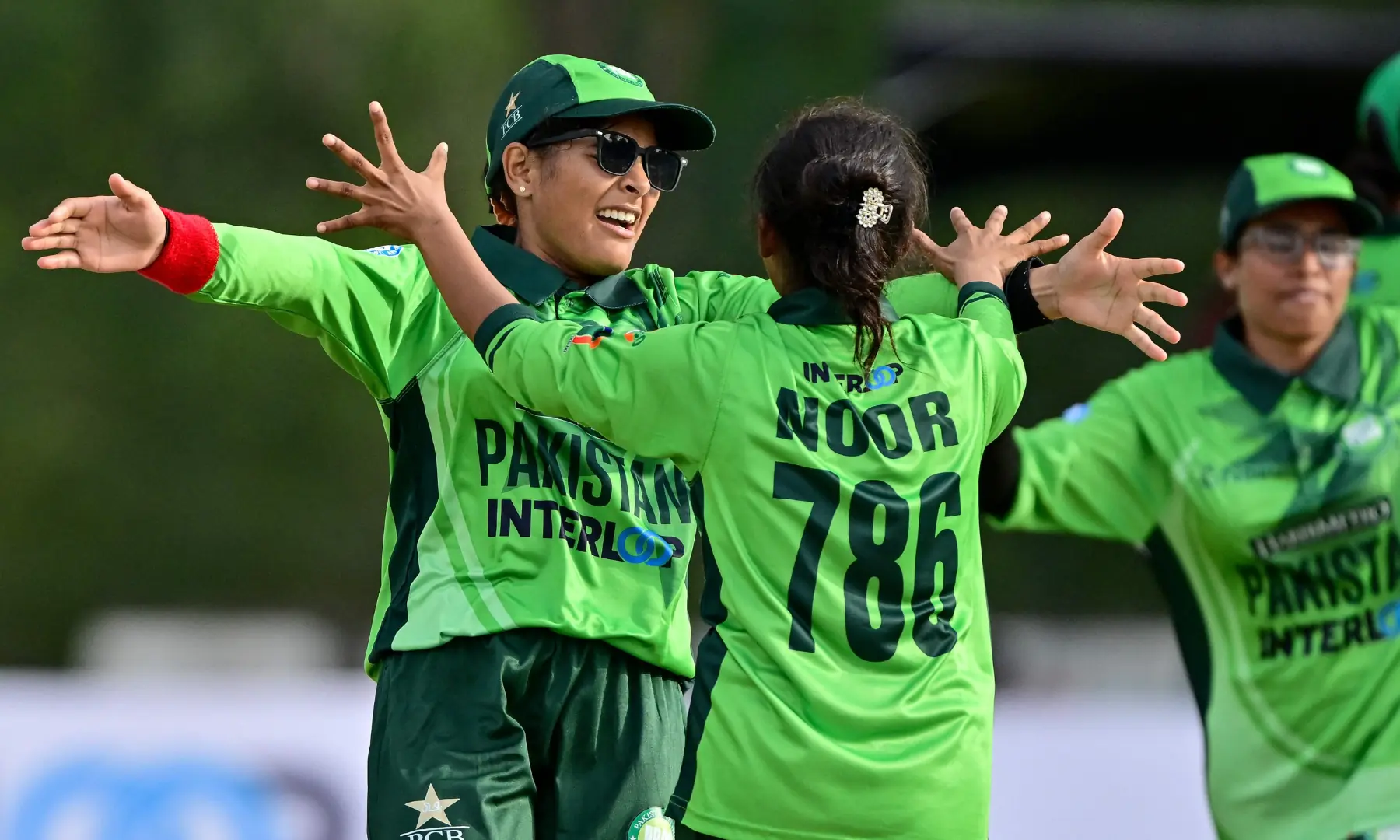
Sri Lanka and India are co-hosting the world’s first T20 World Cup for visually impaired women, marking a historic moment for inclusivity in sports. On a vibrant cricket ground near Colombo, the jingling of the specially designed ball echoes beyond the boundary — a symbolic defiance against the stigma surrounding disability. The semi-finals will see India face Australia, while Pakistan meets Nepal, with the final slated for Sunday.
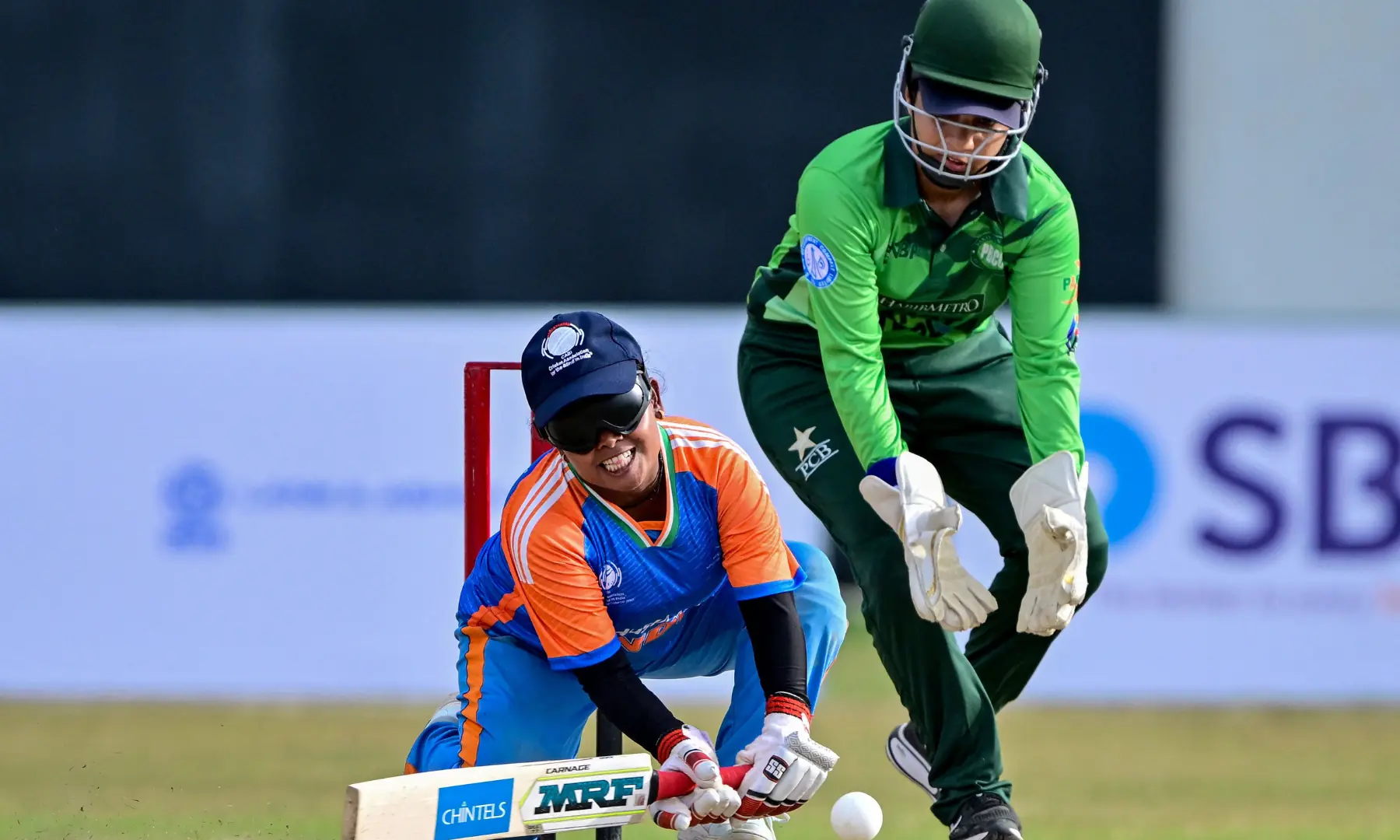
For many players, the tournament is more than competition; it is empowerment. India manager Shika Shetty said the global event has opened doors for visually impaired women, helping shift long-held societal attitudes. India captain T.C. Deepika recalled facing disbelief when she began playing, but said that over time people recognised her ability. “People realised I can do something,” she said.
On a lush cricket ground outside Sri Lanka’s capital, Colombo, the sharp jingling of a ball cutting through the afternoon air signals a pushback against the stigma of disability, as the country alongside India co-host its first T20 World Cup for visually impaired women… pic.twitter.com/Kg34EGwqC6
— AFP News Agency (@AFP) November 22, 2025
Blind cricket relies on sound, not sight. A plastic ball filled with metal bearings helps batters follow its movement, while bowlers shout “play” before delivering an underarm ball that must bounce at least once. Teams field a mix of totally blind (B1), partially blind (B2) and low-vision (B3) players, with B1 runs counting double and blindfolds required for fairness.
Read More: Pakistan’s blind cricket team matches shifted to Colombo
For Sri Lanka’s Chaminda Karunaratne, the sport has been life-changing. The visually impaired schoolteacher has represented his country internationally and now advocates strongly for women’s participation. “It boosts self-confidence and helps you move freely,” he said. “You can show that you are not helpless.”
Sri Lanka Cricket Association for the Visually Handicapped president Sudesh Tharanga acknowledged the challenges in forming a women’s team, given limited preparation time. Despite this, Sri Lanka fielded one of the youngest squads in the tournament, contributing to a milestone event reshaping the future of inclusive cricket.
Read More: Pakistan crush Bangladesh to lift Blind T20 World Cup title