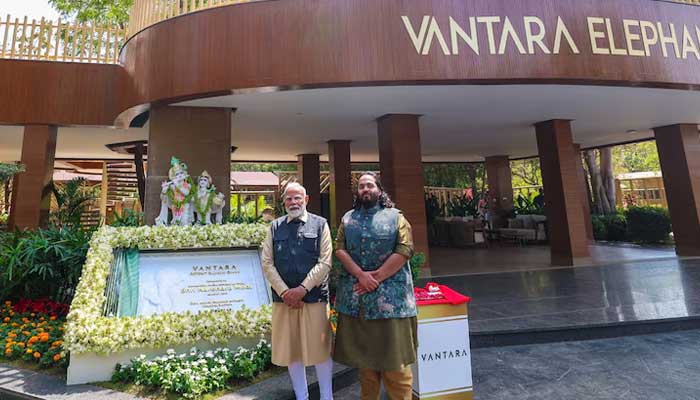
India has urged the UN wildlife trade body, CITES, not to restrict its imports of endangered species, defending Vantara, a private zoo in Gujarat run by the philanthropic arm of billionaire Mukesh Ambani’s family. The zoo, spanning 3,500 acres, has faced allegations of irregular animal shipments, prompting heightened scrutiny from authorities in Germany and the European Union.
Indian investigators, appointed by the Supreme Court, cleared the sanctuary of wrongdoing in September, and Vantara maintains it complies with all regulations. However, a recent CITES report flagged discrepancies between exporter and importer trade data and recommended halting new import permits until safeguards are strengthened, citing risks of wild animals being misrepresented as captive-bred.
Read More: Karachi Zoo: A Living Graveyard Exposing Pakistan’s Moral Decay
In its submission to CITES on November 10, India argued that any restrictive action would be “premature and disproportionate” and could disrupt the treaty’s framework. The government emphasized that inspection and reporting mechanisms have been tightened, including enhanced due diligence by the Central Zoo Authority for future acquisitions.
Vantara is home to around 2,000 species, including exotic animals imported from South Africa, Venezuela, and the Democratic Republic of Congo. The declared value of shipments, $9 million, represents freight and insurance costs rather than payments for wildlife. The zoo continues to highlight its compliance with all regulatory requirements, while CITES and Vantara have yet to comment on India’s submission.
Read More: Lahore Zoo Back Under Wildlife Department After Contract Exit
The dispute underscores the international attention on wildlife trade oversight and the balancing act between conservation regulations and private zoological operations in India.