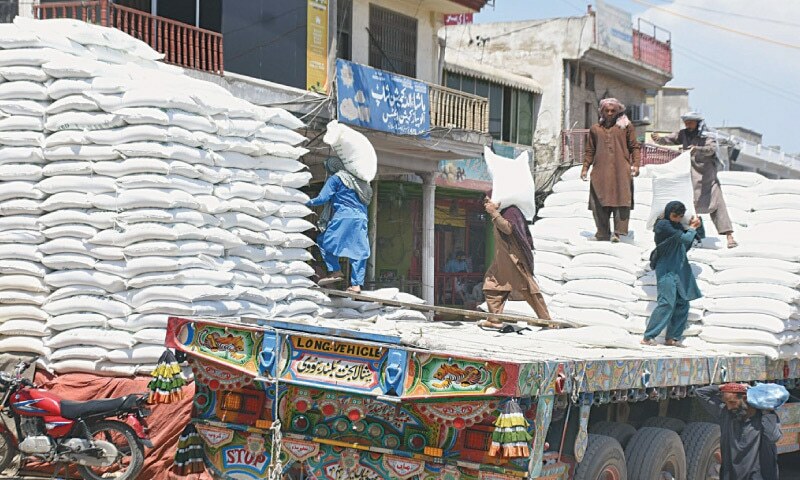
The Federal Board of Revenue (FBR) has officially launched a digital monitoring system for all sugar mills across Pakistan to ensure transparency and prevent tax evasion in the industry. This modern setup uses video analytics technology, allowing real-time surveillance of sugar production activities across the country. The initiative aims to bring accountability to one of Pakistan’s most influential yet frequently scrutinized sectors.
Under the new system, every sugar mill is required to install advanced GPU-based video monitoring equipment before the start of the upcoming crushing season. The FBR has made it clear that mills will not be allowed to commence sugar production unless the approved surveillance systems are fully operational. This mandatory requirement marks a major shift toward digitizing the sugar sector’s operations, ensuring that all production data is traceable and verifiable through technology.
Read more : Pakistan buys 80,000 tonnes of sugar, seeks 100,000 tonnes more
Moreover, the system will operate through a central monitoring network managed by the FBR, providing 24-hour oversight of each mill’s production output. The integrated video analytics software will automatically detect irregularities, enabling authorities to identify discrepancies in declared versus actual production figures. By doing so, the FBR aims to close long-standing loopholes that have allowed tax manipulation and underreporting within the sugar industry.
In addition to boosting tax compliance, the initiative is expected to strengthen the government’s efforts to reform Pakistan’s agricultural and industrial monitoring mechanisms. The real-time data collected will help policymakers design more accurate production estimates and improve fiscal planning. This digital transformation also aligns with broader efforts to expand automation and reduce manual oversight in high-revenue sectors.
Read more : Sugar sales suspended amid price dispute
Furthermore, the FBR emphasized that this new approach is part of its strategy to modernize tax collection and enhance transparency through technology-driven governance. The department believes the digital system will not only increase revenue but also restore investor confidence by promoting fair competition among sugar producers. Ultimately, the move represents a crucial step toward building a more transparent, accountable, and tech-enabled taxation ecosystem in Pakistan.