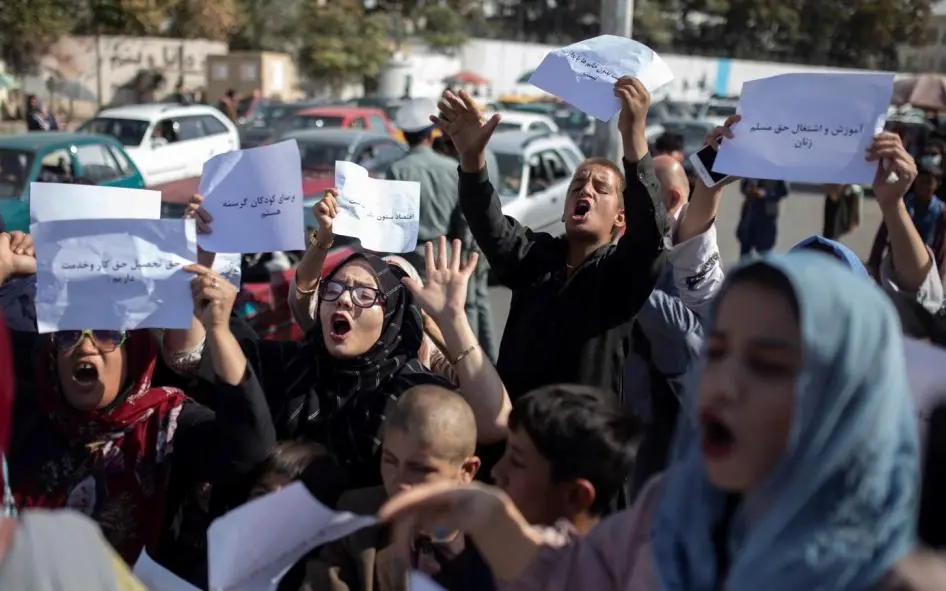
The United Nations Human Rights Council is preparing to vote on a crucial resolution that could establish an independent investigative mechanism to document and preserve evidence of human rights violations in Afghanistan. The proposal, led by Denmark on behalf of the European Union, aims to strengthen accountability for crimes committed under Taliban rule. The decision is expected during the council’s ongoing session in Geneva, where the mandate of the UN special rapporteur on Afghanistan is also up for renewal.
The European Union said the move followed “careful and extensive consultations” and reflects growing concern over Afghanistan’s worsening human rights conditions. The proposed mechanism would collect, consolidate, and analyse evidence of international crimes, including those targeting women and girls. It would also prepare case files to support future independent criminal proceedings. EU representatives described the measure as a vital step toward ending decades of impunity in Afghanistan and ensuring justice for victims whose voices have long gone unheard.
Read more : UN set to vote on gaza ceasefire despite US and Israeli opposition
Since regaining power in 2021, the Taliban have enforced strict interpretations of Islamic law, drawing global condemnation for widespread repression, particularly against women. Afghan women are banned from education beyond age 12, barred from most professions, and prohibited from entering parks or gyms. The draft resolution strongly condemns what it calls the Taliban’s “institutionalised system of discrimination and domination,” including restrictions on women working for the United Nations and humanitarian organisations.
Human rights advocates have hailed the proposed probe as a milestone in international accountability efforts. Fereshta Abbasi, a researcher with Human Rights Watch, said the resolution sends a powerful message that evidence of atrocities is being preserved and that perpetrators may one day face justice. She emphasised that the mechanism represents hope for thousands of Afghan victims who have suffered under oppressive Taliban policies without recourse to justice.
Read more : UN backs two-state plan, isolates US and Israel
The Human Rights Council, consisting of 47 elected member states, has already seen 14 members publicly back the draft resolution. Countries including France, Germany, Chile, and Switzerland have co-sponsored the proposal, demonstrating growing international unity on the issue. The council’s current session, which began on September 8, will conclude on Wednesday, and its decision could mark a significant turning point in the global effort to hold the Taliban and other offenders accountable for human rights abuses in Afghanistan.