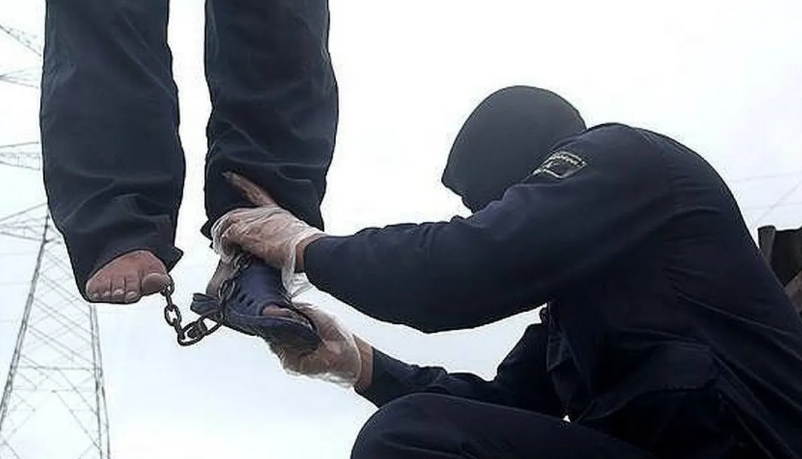
Iran on Monday executed Bahman Choubi-asl, described by the judiciary’s outlet Mizan as “one of the most important spies for Israel in Iran,” marking another escalation in the country’s shadow conflict with Israel. Authorities said the execution followed his conviction on charges of “corruption on earth,” a broad accusation often used in cases of espionage or national security threats. The Supreme Court had previously rejected his appeal, clearing the way for the death sentence to be carried out.
Officials claimed Mossad recruited Choubi-asl to gain access to critical Iranian databases, particularly those belonging to government institutions and national data centers. In addition to stealing sensitive information, the alleged spy was accused of helping Israel investigate supply routes of electronic equipment entering Iran. These activities, the authorities said, posed a serious danger to state security and gave Israel a strategic advantage in intelligence operations against Tehran.
Read more : Iran expresses interest in Pak-Saudi defence agreement
The case is part of a wider surge in espionage accusations tied to Israel, as Iran intensifies efforts to dismantle what it views as covert Mossad networks operating inside its borders. Executions of Iranians convicted of spying have sharply increased this year, with at least 10 individuals executed in recent months. This pattern signals Iran’s determination to project strength and deter future espionage activities despite international criticism of its judicial process.
Tensions between Iran and Israel have dramatically worsened in recent months, culminating in direct military clashes earlier this year. In June, Israel carried out strikes inside Iranian territory, reportedly using Mossad commandos to penetrate deep within the country. Analysts say such high-profile operations have heightened Tehran’s fears about the vulnerability of its security infrastructure, prompting harsher crackdowns on suspected collaborators.
While Iran frames these executions as essential to safeguarding national sovereignty, critics argue they reflect a climate of fear and a justice system lacking transparency. Human rights groups frequently accuse Tehran of relying on vague charges such as “corruption on earth” to silence dissent or justify executions. Nevertheless, for Iran’s leadership, each execution serves as both a warning to its citizens and a signal to Israel that espionage efforts will be met with maximum punishment.
Read more : UN reimposes arms embargo and sanctions on Iran
The growing number of executions highlights how the Iran-Israel rivalry is shifting from covert intelligence battles to public displays of power. With accusations mounting and retaliatory strikes continuing, observers warn that the conflict could escalate further, making espionage cases and their punishments a recurring feature of this deepening regional confrontation.