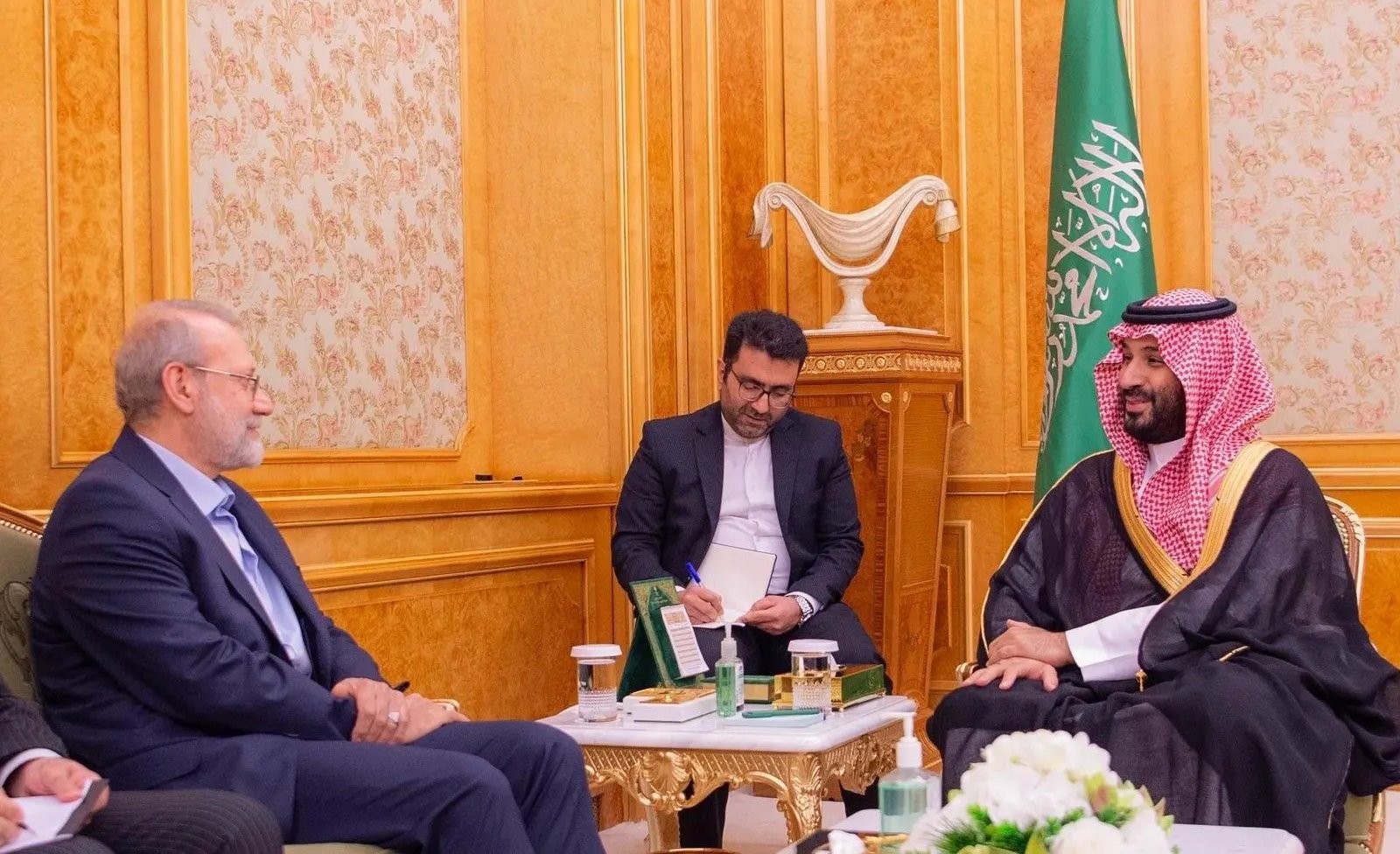
Iran has signaled its readiness to join the recently signed defence pact between Pakistan and Saudi Arabia, calling it a significant step toward unity among Muslim-majority nations facing shared regional challenges. Senior Iranian commander Major General Rahim Safavi, an advisor to the Supreme Leader, said including Iran in the agreement would further strengthen its scope and enhance regional cooperation against common threats.
Safavi underlined that U.S. influence in the Middle East is steadily weakening, as Washington shifts its attention to the Asia-Pacific. He argued that this power transition creates a crucial opportunity for Muslim countries to form their own independent defence framework. According to him, developing a strong Islamic security bloc would help reduce reliance on external powers while ensuring sovereignty, stability, and long-term peace in the region.
Read more : Ishaq Dar: More Nations Interested in Defense Pacts with Pakistan
The defence agreement between Pakistan and Saudi Arabia, finalized earlier this month, stipulates that an attack on one nation will be treated as an attack on the other. Safavi emphasized that expanding the pact to include Iran could transform it into a broader alliance. He maintained that this would not only bolster regional deterrence but also establish trust and unity among countries that have historically faced political and sectarian divides.
Meanwhile, Pakistan’s Deputy Prime Minister Ishaq Dar confirmed that several other states have also expressed interest in defence cooperation with Islamabad following the Saudi deal. Speaking in London, Dar said discussions are underway to explore opportunities for strengthening defence partnerships. He added that Pakistan is committed to building stronger military ties with friendly nations while promoting regional security through dialogue and cooperation.
Observers believe Iran’s willingness to participate could shift the security landscape in the Middle East. Analysts argue that if Tehran joins the pact, it would expand the alliance’s deterrence capabilities and encourage broader collaboration in addressing instability, terrorism, and external pressures. They suggest that such a step could reshape regional power dynamics at a time when global competition is intensifying.
Read more : Khawaja Asif Clarifies Pak–Saudi Defense Pact
With further talks expected in the coming months, the Pakistan-Saudi defence agreement is already being viewed as a foundation for wider military cooperation. Experts note that Iran’s inclusion could make the pact more comprehensive, potentially creating an influential Islamic defence bloc capable of safeguarding sovereignty while addressing regional challenges collectively.