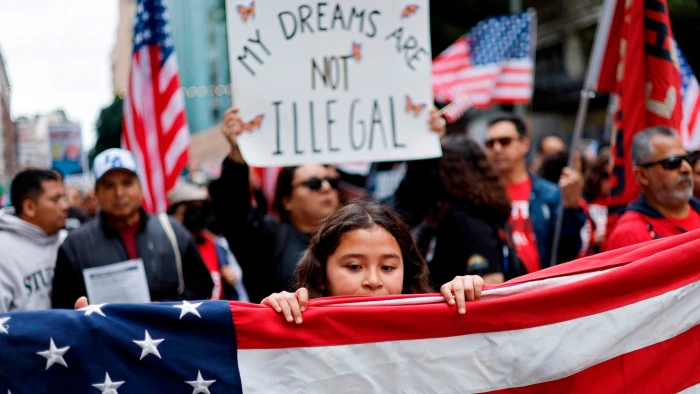
Donald Trump has called for a new U.S. census that would exclude undocumented immigrants. In a post on Truth Social, he said he had ordered the Commerce Department to begin working on a “highly accurate” census. Trump emphasized that people in the U.S. “illegally” would not be counted. This move continues his hardline immigration stance and efforts to reshape key U.S. institutions.
The U.S. census, conducted every 10 years, is required by the Constitution. It affects federal funding, political representation, and economic planning. Traditionally, it counts all residents, regardless of legal status. Excluding undocumented migrants would drastically change how population data is used and how resources are allocated across states.
Experts warn that such a change would raise legal and constitutional questions. Many believe excluding undocumented residents could reduce representation and funding for states with large immigrant populations. The 2020 census recorded over 331 million people, but did not track legal status. Pew Research estimates about 11 million undocumented immigrants live in the U.S.
Trump’s statement comes as part of broader efforts to reshape economic and political systems. Last week, he dismissed the head of the labor statistics agency and criticized the Federal Reserve chair. These moves signal his intent to centralize control over key national data and decision-making tools. Critics say this risks undermining trusted institutions.
The census affects everything from how roads are built to how congressional seats are divided. Any significant change could have nationwide effects. While Trump pushes for a new count, legal battles are likely. Until then, the census remains a flashpoint in the growing debate over immigration and representation in the U.S.