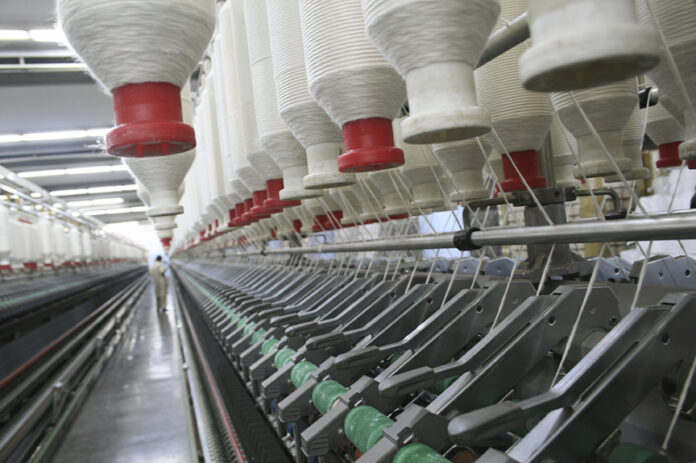
The Pakistan Textile Council (PTC) strongly opposed recent tax changes by the Federal Board of Revenue (FBR). The changes were made through SRO 1359(I)/2025 under the Export Facilitation Scheme (EFS). PTC said removing cotton, yarn, and grey cloth from EFS will hurt textile exports. These materials are key raw inputs for Pakistan’s textile industry. Exporters now must pay import taxes upfront, even though they earn valuable foreign exchange.
According to PTC, these tax changes threaten an already pressured industry. Global protectionism and U.S. tariffs have already weakened textile exports. The council said the new rules will only make things worse. PTC warned that taxing raw materials is like taxing exports. Chairman Fawad Anwar said such steps harm Pakistan’s economy instead of helping it. He urged the government to rethink the policy immediately.
PTC also criticized the government for ignoring expert advice. A special committee, led by Planning Minister Ahsan Iqbal, had suggested changes. But FBR did not follow these recommendations. PTC said the government rushed the amendments without real industry consultation. The council called this a major setback for exporters. They fear the changes will cripple EFS and damage business confidence.
In response, PTC submitted objections to top officials, including the Prime Minister’s Office. They also shared detailed proposals with the Chairman of FBR and ministers for commerce and finance. Key suggestions include keeping the input period at 18 months and allowing provisional authorization for new users. They also asked to replace bank guarantees with cheaper insurance bonds.
PTC demanded that cotton, yarn, and grey cloth stay in the EFS. They urged the removal of strict toll manufacturing limits and physical sampling rules. The council warned that unless the government acts now, export losses could grow. They believe these rules will raise costs, slow down trade, and reduce Pakistan’s competitiveness in global markets.