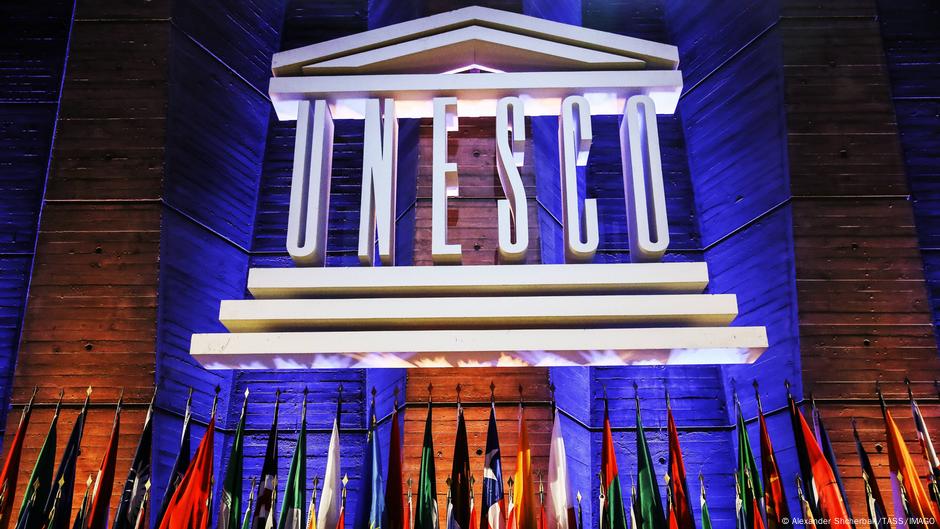
The United States has officially announced its withdrawal from the United Nations’ cultural agency, UNESCO, expressing strong disapproval over the body’s decision to recognize Palestine as a state. According to the U.S. government, this move goes against American foreign policy and promotes an anti-Israel agenda within the organization. The decision has sparked international attention and concern over the growing gap between U.S. policy and global consensus.
U.S. State Department spokesperson Tamie Bruce said that continued participation in UNESCO no longer serves America’s national interest. She emphasized that the organization’s stance often fuels division rather than promoting unity in global education, science, and culture. She added that UNESCO’s current policies contradict the “America First” approach that guides U.S. foreign affairs.
The U.S. has accused UNESCO of promoting a biased ideological agenda, especially one that harms Israeli interests and contradicts American values. The recognition of Palestine by UNESCO is seen by Washington as a serious issue that undermines peace efforts and fairness. This recognition, the U.S. believes, has opened the door for spreading anti-Israel sentiment under the banner of global cooperation.
Tamie Bruce clarified that America’s involvement in international organizations will now be based on the clear principle of protecting and advancing U.S. interests. She said that the U.S. will not support platforms that challenge its core policies or promote one-sided narratives. This firm stance represents a broader shift in how the U.S. views its role in global institutions.
The decision to leave UNESCO will take effect on December 21, 2026. The United States has already officially informed UNESCO Director-General Audrey Azoulay about its withdrawal. This marks the second time the U.S. has parted ways with the agency under a Republican administration, following a similar move during Donald Trump’s presidency.
It is worth noting that back in October 2011, UNESCO granted full membership to Palestine, a move that led to the immediate suspension of U.S. funding, which was around $60 million. That decision during the Obama administration set the stage for long-term disagreements between the U.S. and the agency over Palestinian statehood and related political positions.