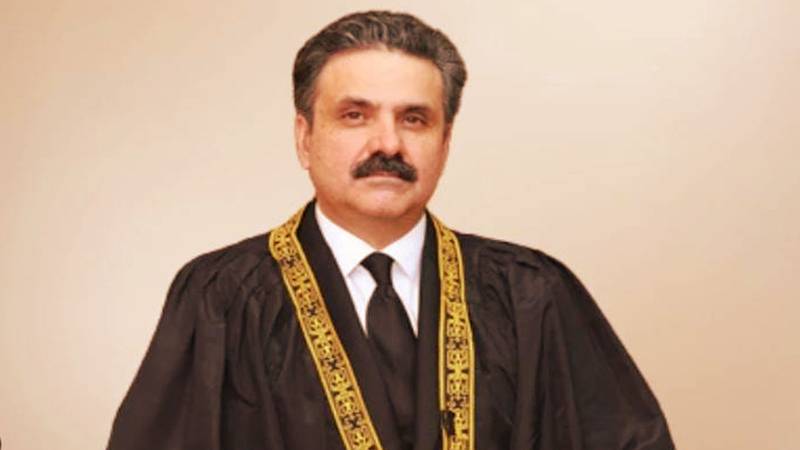
Chief Justice of Pakistan (CJP) Justice Yahya Afridi chaired a high-level meeting at the Supreme Court Branch Registry in Quetta on July 14, 2025. The meeting focused on improving coordination between Balochistan Bar Associations and the Law and Justice Commission of Pakistan (LJCP). Several senior officials from the judiciary, bar councils, and federal and provincial departments participated. The CJP highlighted that gaps in coordination have limited the use of available funds for judicial development in remote areas.
To improve outreach, the Law Commission will now post senior representatives in each province, based in High Courts. These officers will act as contact points for district bars, help identify local needs, and supervise ongoing justice projects. Additionally, bar associations can submit their proposals to District Development Committees. Coordination with federal and provincial planning departments will also ensure faster project execution and prevent resource duplication.
The Chief Justice also announced a new initiative to provide free legal aid to poor litigants across all court levels. Through District Legal Empowerment Committees, citizens can get financial help—up to Rs50,000—to hire lawyers. Bar associations were asked to nominate qualified lawyers for this purpose. This move aims to ensure equal access to justice for everyone, regardless of financial status.
Moreover, Justice Afridi urged bars to benefit from Continuing Legal Education (CLE) offered by the Federal Judicial Academy. He asked bar councils to appoint focal persons for better coordination with the academy. He also encouraged sharing the CLE training calendar widely to boost legal skills and professionalism across the bar.
Bar leaders shared their views and thanked the CJP for addressing key concerns. They appreciated the government’s recent support, including scooties for female lawyers, a digital library, and a housing scheme in Balochistan. The next follow-up meeting will be held in Karachi, where remaining suggestions and plans will be reviewed. All sides agreed to work together for fair, accessible, and efficient justice.