The State Bank of Pakistan (SBP) has issued the monetary policy for the next two months of 2020. The authorities have kept the interest rateunchanged and fixed it at 13.25 percent for the coming months to target the future inflation expectations. This interest rate is higher than the policy rate of China (4.15), India (5.15), Bangladesh (6), Nepal (6), and Sri Lanka (6.5).
Evidences determine that the mounting inflation is not caused by excessive demand but has been caused by the supply side factor, owing to exorbitant upward movement in electricity, gas and transportation costs, increase in the prices of oil in international market, rapid increase in tax rate, and exchange rate devaluation.
Theheadlineinflation measured with the consumer price index (CPI) reached 12.6 percent by the end of December 2019, from 12.7 in November 2019, which shows a slight decrease. However,the food inflation increased to 16.7 percent at the end of December 2019 compared to 15 percent in September 2019 in urban areas; in rural areas, food inflation has increased massively from 15 percent in September 2019 to 19.7 percent in December2019 respectively.
Current wheat and sugar crises will accelerate the expected food inflation. It is obvious that non-food inflation is a bit lower than food inflation in Pakistan, but an increasing trend has been observed in non-food inflation too. High inflation rate has increased the hardships of poor people and also eroded their purchasing power.
One can ask the question: will pegging of interest rate at 13.25 percent reduce the headline inflation? Obviously, the answer is no
In the prevailing circumstances, SBP’s policy response of pegging interest rate at 13.25 percent will further slowdown economic activities and cut down industrial production,which will result in substantial job losses. One can ask the question: will pegging of interest rate at 13.25 percent reduce the headline inflation?Obviously, the answer is no. The reason is that government and the SBP should mull to diminish the supply shocks that are triggeringdouble-digit inflation in Pakistan. A tight monetary policy functions in developed countries where people borrow money from banks to cater to their daily needs.
The population of Pakistan comprises of 63 percent of people categorised as transitory poor, 33 percent is suffering from chronic poverty, and five percent are in extreme poverty. Therefore, the majority of the people is not borrowing money from banks to meet their daily expenses, and they don’t even have bank accounts. Controlling inflation should be the top priority of government because persistent and high inflation is like a regressive tax that is badly affecting the poor people in particular and the overall economic development of Pakistan.
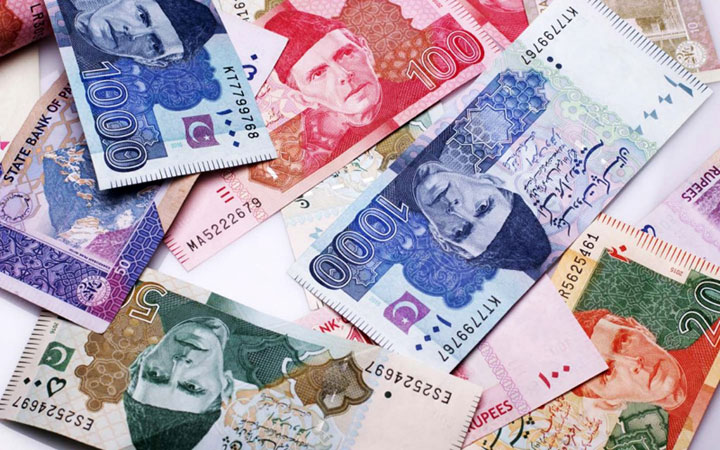 The industrial sector is a backbone of any country as it is a source of employment for skilled and unskilled workers.Buta high interest rate has acutely impacted the industrial sector of Pakistan. According to the SBP, value-added growth of the industrial sector has declined to 1.4 percent in 2019 from 4.9 in 2018 due to depreciation of Pakistan’s rupee and a tight monetary policy. Put it differently, a sharp increase in interest rate has hurtthe industrial sector of Pakistan due to rising cost of borrowing and has hindered economic growth.
Construction related industries showed the low pace of public and private sector investment and affected economic growth. Automobile industry is showing a slowdown due tomassive depreciation of exchange rate as automobile parts are imported from other countries andassembled in Pakistan.
The slow growth of the industrial sector has increased the unemployment, which has suppressed the purchasing power of the people. The most important aspect is that decrease in investment in either sector cuts down government tax revenues obtained from direct and indirect sources such as income tax, sales tax and expropriate tax.
For the time being, hot money inflows have increased in Pakistan due to the high interest rate.That has a definite impact on foreign reserves as the incumbent government has faced the severe problem of lack of accumulation of foreign reserves. This, however, shows that the confidence of foreign investors hasbeen restored to make investments in Pakistan owing to reduction of balance of payment deficit and extended stability in the current exchange rate. Bond prices move inversely with interest rates. Therefore, a high nominal interest rate leads to increase in investment in treasury bills by foreign investors. The investment in TB will have short term or a transitory impact on the economy.
Nevertheless, it should not be forgotten that there is a risk factor involved in such types of inflow of capital due to volatile economic indicators. Once interest rate will decrease and hot money will outflowto the alternative markets in other countries to earn higher returns.
In the current situation of the economy, the SBP should decrease the interest rate and bring it to the moderate level, around five to seven percent to increase private and public investment to boost economic growth and development. There is a dire need to ease the business environment for the revival of economic activities. The SBP should consider the core inflation rather than headline inflation while making its policy rate decisions.
The writer is Assistant Professor, Institute of Economics, at University of Azad Jammu and Kashmir Muzaffarabad