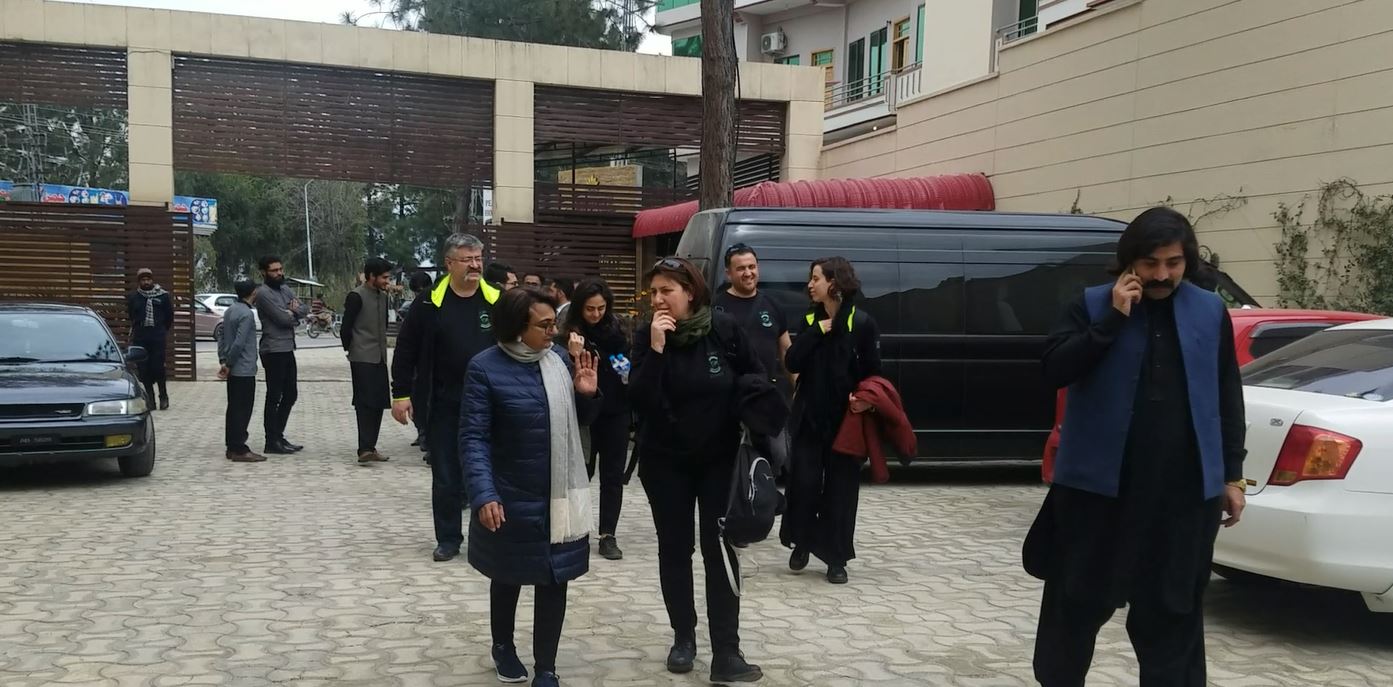
ICOMOS Pakistan in collaboration with the Institute of Architects Pakistan Peshawar Chapter has just concluded the filming of a documentary film as a joint initiative with ICOMOS-International Scientific Committee for Risk Preparedness (ICORP) called ICORP – On the Road project.
This documentary is based on Swat – an area which has been impacted by natural and manmade disasters. The objective of this project is to showcase inspiring stories by professionals and local communities about post disaster response and recovery. ICORP has been preparing a series of documentaries and has already completed three documentaries on Nepal, Turkey and Mali in 2018. The project is led by ICOMOS International Board of Directors Member Dr Zeynep Gül Ünal who is also an ICORP secretary based in Turkey.
Swat has been impacted by both natural and manmade disasters including earthquakes, floods and terrorist’s activities between 2007-2009. All these disasters had an impact on the cultural heritage, however post disaster response and recovery in Swat has been phenomenal. The documentary film shows the rich tangible and intangible cultural heritage of Swat including Gandhara Heritage sites, the crafts, music and dance of the area. Interviews with local residents and professionals conducted indicate the love and respect they have for their culture and their response to protect their cultural heritage when it is under threat.
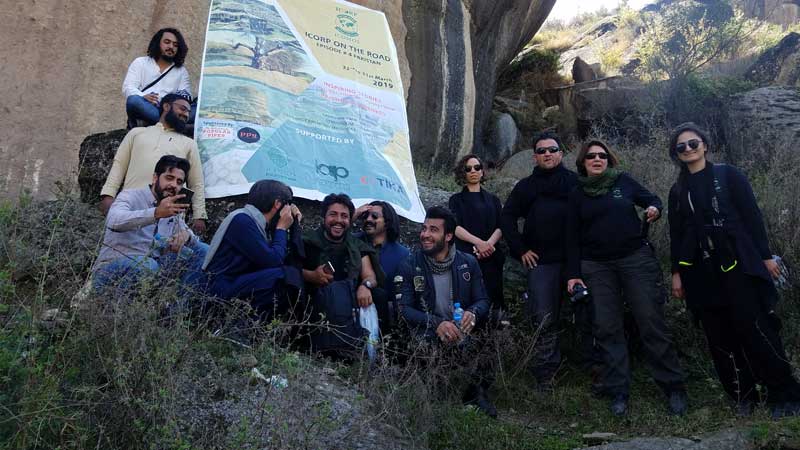
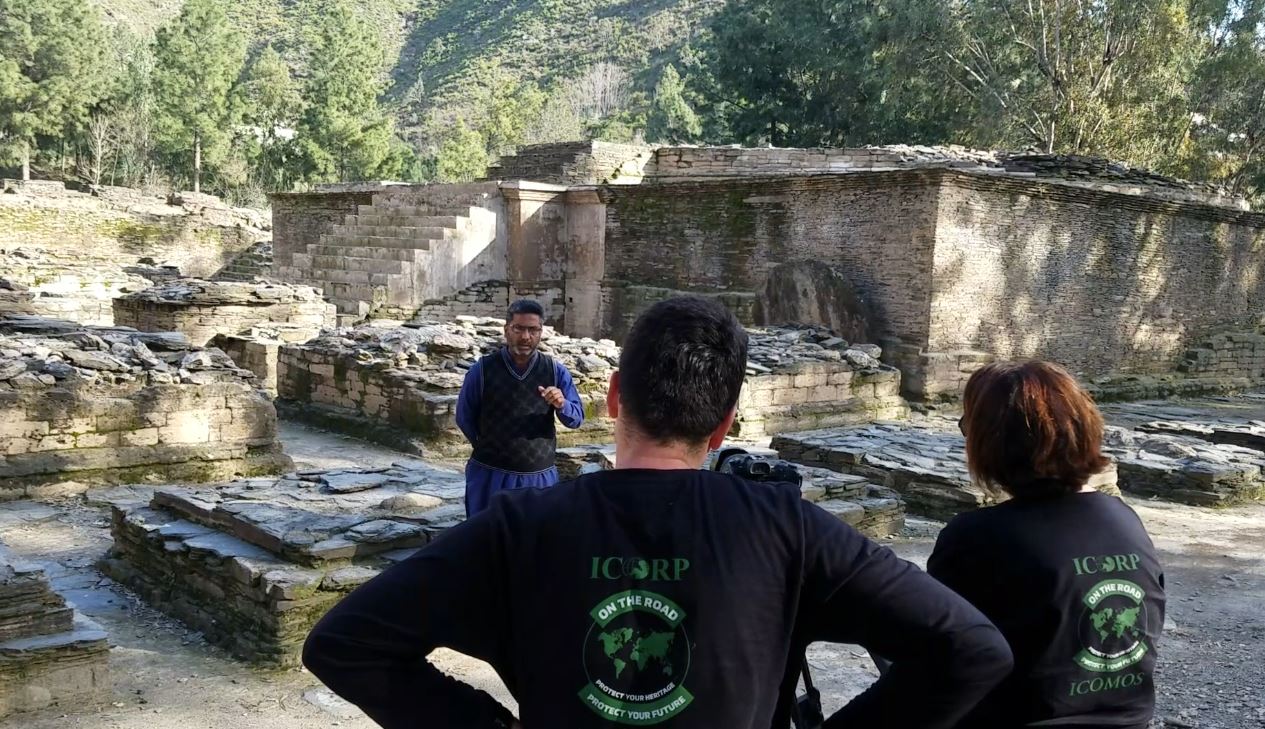
A six-member Turkish team along with ICOMOS Pakistan filming crew concluded the filming of major heritage sites and interviewed local citizens and professional people who have assisted in protecting the sites and preserving culture particularly during the Taliban insurgency between 2007-08. The culture of the region imbibes within it centuries of knowledge that has been passed on through millennium which has been part of the daily lives of people.The imposition of their version of sharia law by banning all cultural activities and destroying heritage sites of the pre Islamic period these disasters had an impact on the cultural heritage, however post disaster response and recovery in Swat has been phenomenal.
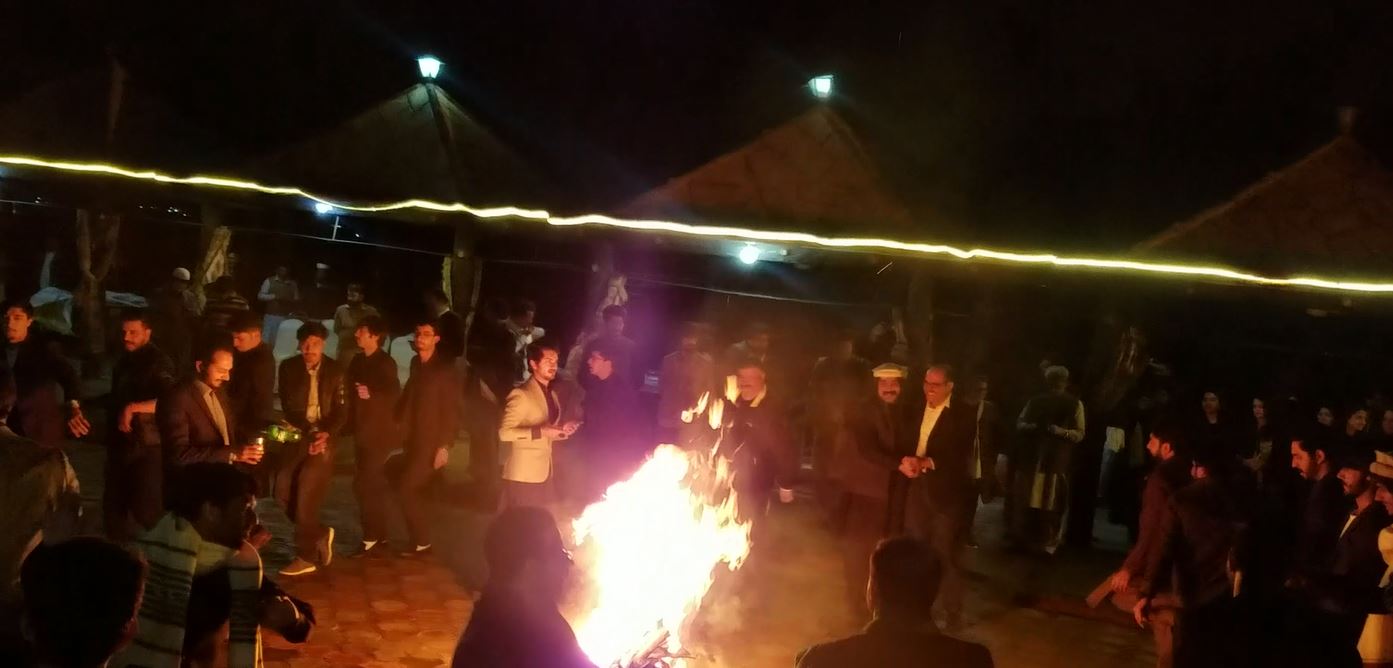
During the filming, a campfire talk was also conducted with representative students from seven schools of architecture and archaeology from Khyber Pakhtunkhwa and Islamabad in order to sensitise and generate the importance of protecting our heritage to the next generation of professionals who will be the future custodians. A one day symposium is the final event at Swabi University with papers presented by the international delegates.
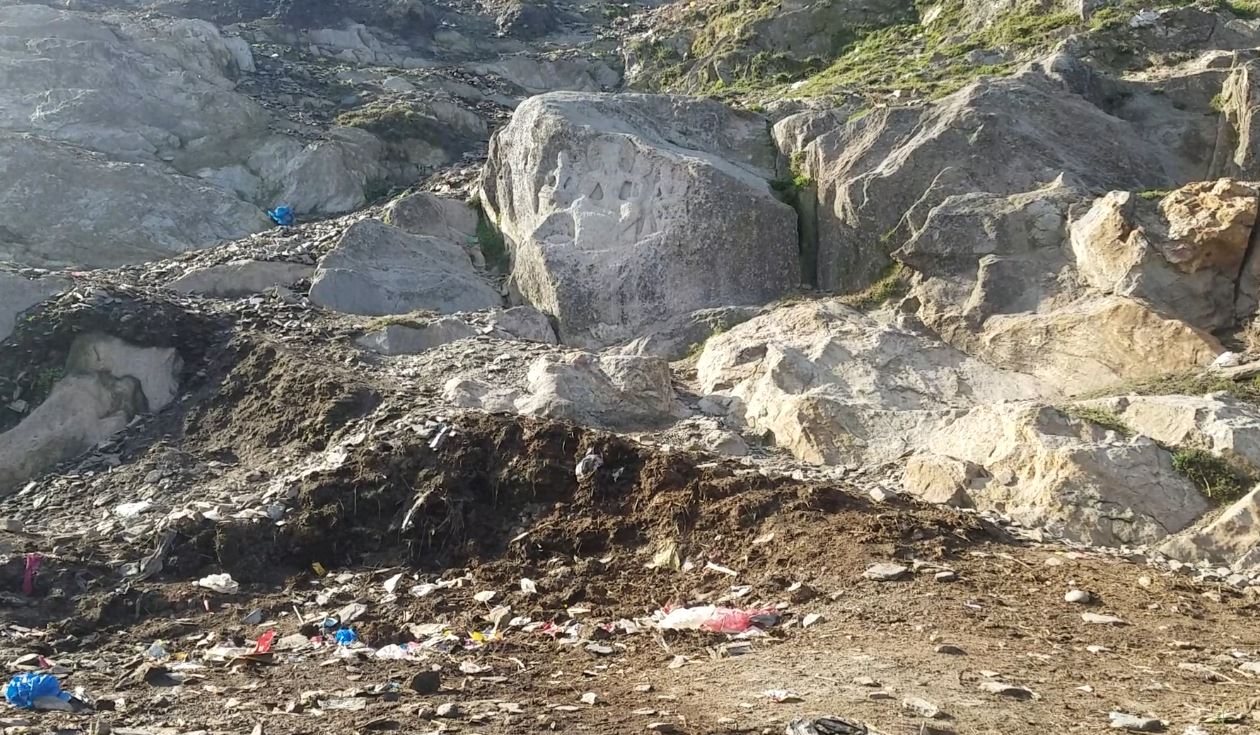
Interviews with local residents, caretakers of the heritage site, school teachers, architects historians and journalists brought to light some inspiring stories of the role that each one played particularly when they were challenged with threats specifically during the period when the Talibans took control of the area and imposed their version of Sharia Law and stopped all forms of cultural activity such as music and dance and deliberately tried to obliterate all non Islamic heritage sites and artifacts. The blasting of the face Jahanabad rock carved Buddha, the 2nd most revered site for Buddhists was the first casualty of a precious Gandhara heritage and was a wake-up call to all heritage devotees that the Taliban were bent on destroying all remains of Gandhara relics and sites.
A six-member Turkish team along with ICOMOS Pakistan film crew concluded the filming of major heritage sites and interviewed locals who have assisted in protecting the sites and preserving culture, particularly during the Taliban insurgency between 2007 and 2008
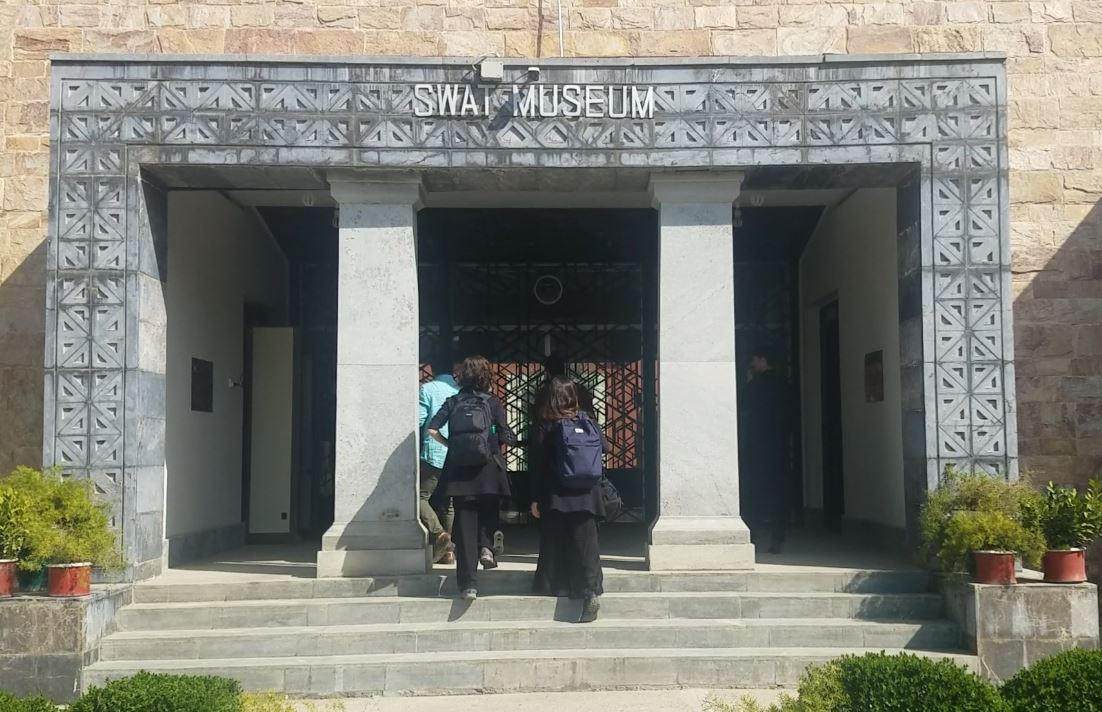
The Swat Museum which housed some of the largest collection of Gandhara artifacts was going to be the next target and a few citizens and activists informed the department of Archaeology that about this intention of the Taliban. The Museum structure was seriously damaged by an explosion on the road in front of the Museum and it was then that the DOAM went into action to at least save the objects, at the cost of their lives, by packing them into containers and had them transported out to Taxila Museum in the dead of the night over a period of 2 nights. This action saved the all the artifacts however the building was seriously damaged in the subsequent blasts by the Taliban. The museum building was redesigned and reconstructed as a seismic resistant structure in 2011 by an Italian architectural and structural design services provided by engineers from University of Engineering and Technology as a state of the art museum comparable to any in the world.
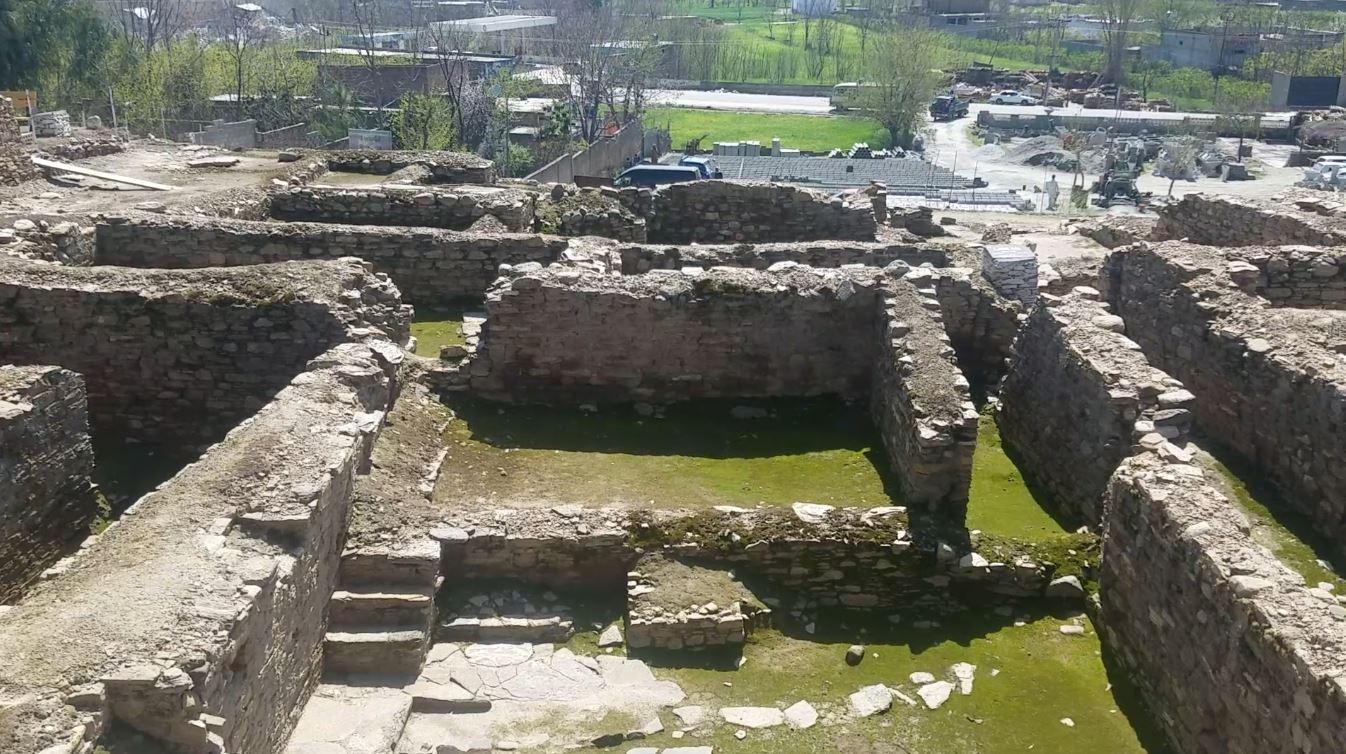
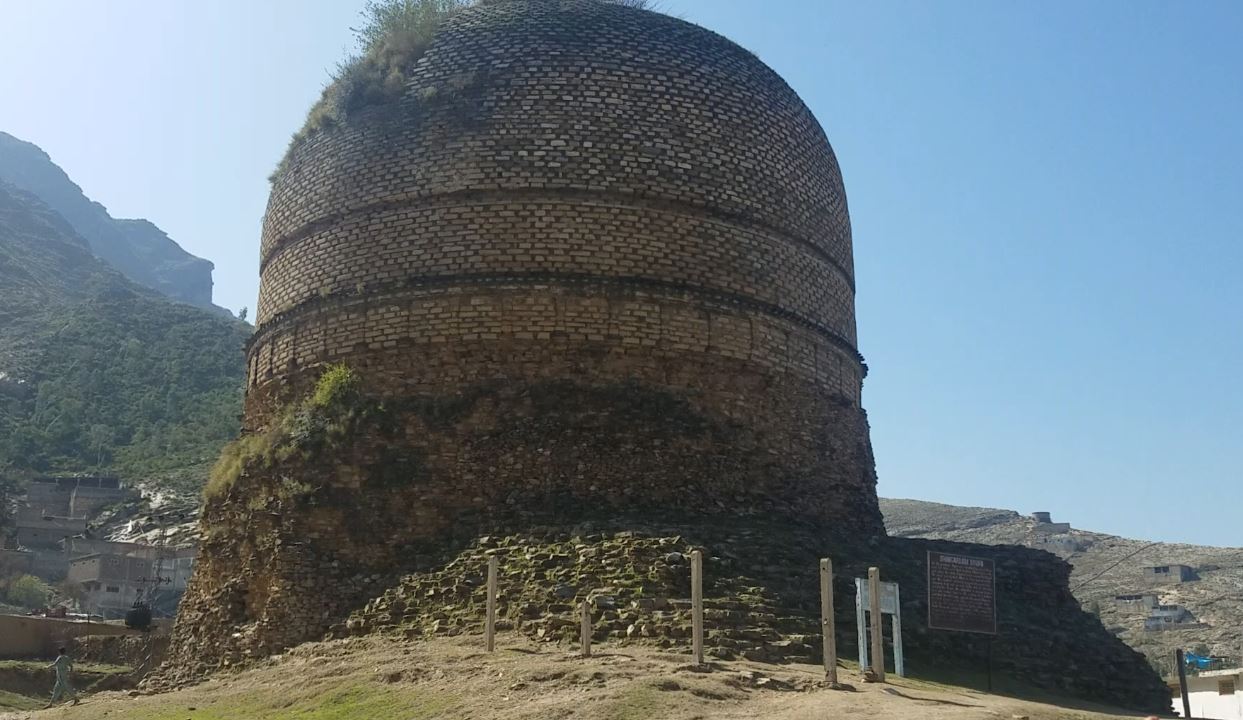
The case of saving the Saidu Sharif archaeological site and stupa by local citizen is another amazing story. Usman Ulysyar lives just opposite the stupa and would often reprimand visitors and children playing within the site who would walk on top of the remains causing damage to the vulnerable remains. At the height of the war he notices the children who were regular visitors to the site have stopped coming and being inquisitive checks for the reasons only to discover that the site has been littered with Improvised Explosive Devices (IED) in order to blow up the site. Within hours he contacted the different security agencies to send bomb disposal squads to disable the devices. However this task could only be done at night as the militants were sitting right on the hills just opposite the site. It was in the dead of the night using mobile phone lights and car headlights that the devices were diffused and the site saved from being blasted.
These are just a few stories that the documentary will cover. The living arts and crafts which had saw a demise during the occupation by the Taliban such as wood crafts, weavers, stone crafts etc which were a primary source of lively hood for the local population are now back in practice as tourism is flourishing and the crafts are being exported not just nationally but also internationally.
The idea of heritage is not external and the Heritage is not objectified by the community but is part of their settings and day to day lives of the community. A number of stupas and rock art provide a fabulous setting for the communities residing around and it provides a sense of belonging as a physical anchor and an identity despite the fact these are not part of their religious background being Muslims. It is also means of their livelihood as tourism flourishes in Swat for both its natural and scenic landscapes, its climate as well as the historic sites from prehistoric period Gandhara , Hindu and finally Muslim art and architecture .
Before the advent of the Taliban, Mingora had a vibrant hotel industry and a vast network of tourism-related businesses including shopping malls, riverside restaurants, a thriving handicrafts industry and a privately-owned system of transport. It was because of tourism that Mingora – and the rest of Swat region – had a comparatively high per capita income and a buoyant literacy rate, compared to most major cities, including the provincial capital, Peshawar.
After the expulsion of Taliban, people were hopeful that their tourism industry would not take long to get back on track. But then in 2010, just when the recovery was getting in place, the 2010 floods destroyed the infrastructure and the tourism industry had to be built up from scratch. Eight years later today, a whole new set of development is in place like food streets, hotels on the river etc.