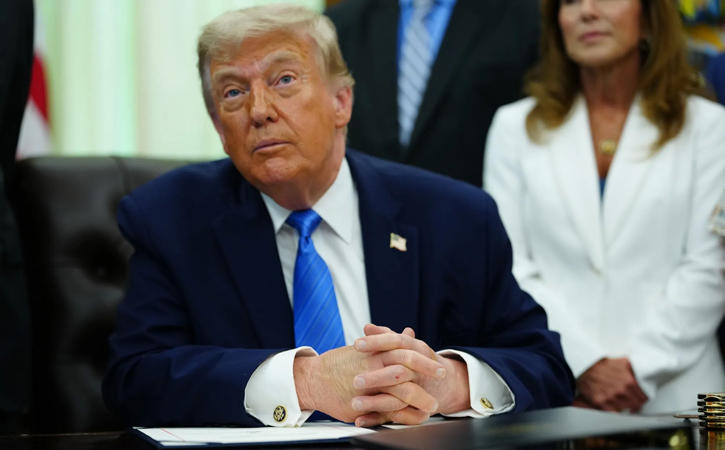
US President Donald Trump and Pakistan have announced that an initial agreement to end the Middle East conflict will be signed on Sunday. However, Iran has rejected the timeline and questioned the timing of the proposed signing. The development highlights deep uncertainty over the status of the high-stakes diplomatic process involving the United States, Iran, and regional actors.
Trump said in a social media post that the deal would be signed on Sunday. He added that the Strait of Hormuz would reopen immediately after the agreement takes effect. Pakistan’s Prime Minister Shehbaz Sharif also said a framework had been reached and that Islamabad was preparing for an electronic signing. He stated that technical-level talks would follow next week.
Iranian officials, however, pushed back on the claims. Foreign Ministry spokesperson Esmaeil Baghaei said the signing would not take place on Sunday. He added that the timing remained uncertain due to ongoing hesitation from the opposing side. Iranian authorities said discussions were still continuing and no final schedule had been confirmed.
A US official described the emerging agreement as strong and positive but avoided confirming the timing. Reports indicate the proposed deal includes reopening the Strait of Hormuz and easing maritime restrictions. In return, negotiations on Iran’s nuclear program and sanctions relief would proceed in later phases.
Meanwhile, regional tensions remain high as the war that began in February continues to impact global energy markets. Israel has distanced itself from the memorandum, while Iran maintains key conditions remain unresolved. Analysts say the dispute over timing underscores fragile trust between the parties despite reported progress in negotiations.