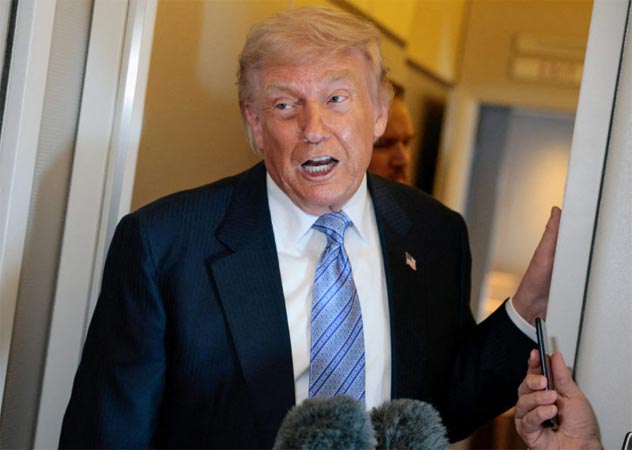
United States President Donald Trump has said Washington will not rush into a deal with Iran, signalling that negotiations between the two countries remain ongoing despite recent optimism about a possible breakthrough.
In a post on Truth Social, Donald Trump stated that the US blockade on Iranian ships in the Strait of Hormuz would remain in place until a formal agreement is fully reached, certified, and signed.
Read More: Trump says US may attack Iran again but that Tehran wants deal
“Both sides must take their time and get it right,” Trump said, as his administration attempted to lower expectations of an immediate settlement in the months-long conflict and negotiations involving Tehran and Washington.
A day earlier, Trump had claimed the two sides had “largely negotiated” a memorandum of understanding aimed at reopening the Strait of Hormuz, a strategically important shipping route that previously handled a significant portion of global oil and liquefied natural gas trade.
However, several key issues remain unresolved, including Iran’s nuclear programme, sanctions relief, regional security concerns, and the release of frozen Iranian funds held abroad.
According to US officials quoted by international media, Iran has agreed “in principle” to reopen the strait and discuss measures related to its highly enriched uranium stockpile. The officials added that further negotiations would focus on technical details and implementation mechanisms.
Iran has not officially confirmed the reported framework, though Iranian media suggested disagreements still persist over sanctions and financial restrictions.
Read More: Trump rejects Iran proposal as peace deal hopes fade
The possible deal has also drawn criticism within the United States. Some Republican and Democratic lawmakers argued that the reported framework resembles the 2015 nuclear agreement negotiated during former President Barack Obama’s administration, from which Trump withdrew during his first term.
Meanwhile, tensions in the region continue to affect global energy markets, with analysts warning that disruptions in the Strait of Hormuz could continue to impact oil prices and international trade flows.