Pakistan’s large-scale manufacturing sector recorded a 6.44 percent growth during July–April FY26, even as output declined sharply by 8.32 percent in April compared with the previous month. The overall performance reflects mixed industrial trends, with strong gains in automobiles, food, garments and cement balancing weaknesses in pharmaceuticals, iron and steel. According to official data, the Quantum Index of Manufacturing reached 122.19 compared with 114.79 in the same period last year.
In April alone, manufacturing output increased by 6.06 percent year-on-year, although it fell from March levels, showing a clear monthly slowdown. The index dropped from 124.96 in March to 114.56 in April after peaking earlier in the year. Despite this volatility, cumulative growth remained positive as several key sectors maintained upward momentum throughout the 10-month period.
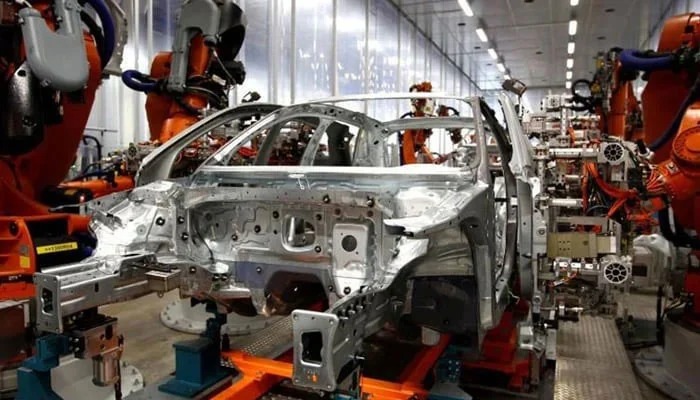
The automobile sector led industrial growth with a sharp 64.33 percent rise during July–April, contributing the largest share to overall manufacturing expansion. Production also surged 83.88 percent in April year-on-year, making it the strongest performing industry segment. Similarly, other transport equipment, furniture and garment production recorded solid gains, supporting broader industrial recovery and employment growth.
Food-related industries also contributed significantly, with sugar production rising by 31.60 percent during the period and showing a dramatic spike in April. Beverage, tobacco and food manufacturing sectors also posted steady growth, although food output slightly declined in April. Together, these industries provided stability to overall manufacturing despite fluctuations in monthly performance.
Meanwhile, energy-linked and infrastructure sectors such as petroleum products, cement and electrical equipment showed consistent growth during the 10-month period. Cement production increased by 9.13 percent, while electrical equipment rose by 13.46 percent, reflecting sustained construction and industrial demand. These sectors collectively strengthened the manufacturing base and supported overall economic activity.
However, several industries recorded declines that weighed on growth, particularly pharmaceuticals, iron and steel, chemicals and machinery. Pharmaceutical output fell by 6.55 percent during July–April and dropped further in April, making it the largest negative contributor. Despite these setbacks, overall manufacturing growth remained positive as gains in key sectors offset weaknesses across declining industries.