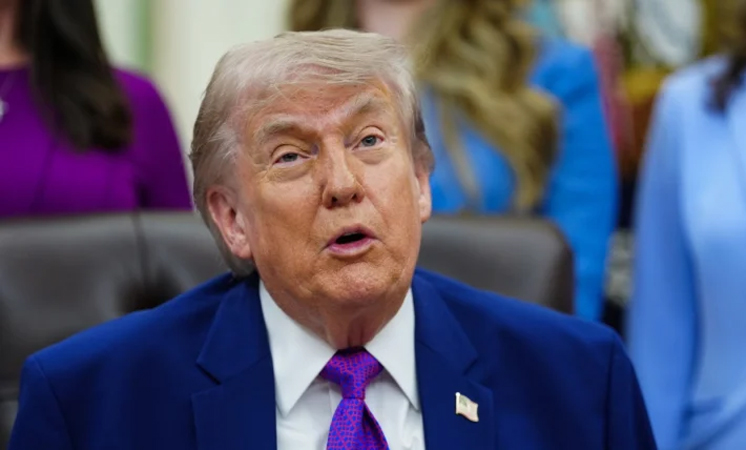
Hopes for a US-Iran peace deal weakened on Tuesday after US President Donald Trump rejected Tehran’s response and described its proposal as unacceptable. The breakdown comes as ceasefire efforts face collapse amid rising tensions in the Middle East. The dispute has intensified fears over global energy security and shipping routes.
Iran rejected a US proposal aimed at ending fighting before broader negotiations on nuclear and regional issues. Instead, Tehran demanded an end to hostilities across multiple fronts, including Lebanon, and compensation for war damage. It also insisted on sovereignty over the Strait of Hormuz and an end to the US naval blockade. Trump said Iran’s response put the ceasefire “on life support” and called the proposal “garbage.”
Read more: Trump Calls National Security Meeting to Discuss Possible Iran Action
The conflict has sharply disrupted global energy markets, particularly through the Strait of Hormuz, a key oil shipping route. The waterway normally handles around one-fifth of global oil and liquefied natural gas trade. However, traffic has dropped significantly, forcing exporters to reduce shipments. Brent crude prices rose above $104.50 per barrel amid supply concerns. OPEC output has also fallen to a multi-decade low due to the disruption.
The United States has increased pressure on Iran through new sanctions targeting oil shipping networks linked to exports to China. Washington aims to cut funding for Iran’s military and nuclear programs while limiting sanctions evasion. US officials also continue diplomatic outreach, including coordination with allies such as Australia, United Kingdom, Turkey, Qatar and Pakistan. These efforts focus on restoring maritime security and stabilizing energy flows.
Read more: Iran ceasefire on life support as Trump rejects response
The crisis has also triggered political and economic pressure within the United States. Public opinion polls show declining support for the war, especially due to rising fuel costs. NATO allies have reportedly declined to participate in securing the Strait of Hormuz without a formal peace agreement. Meanwhile, shipping through the region has slowed to a trickle as tanker operators avoid potential attacks, deepening uncertainty in global trade routes.