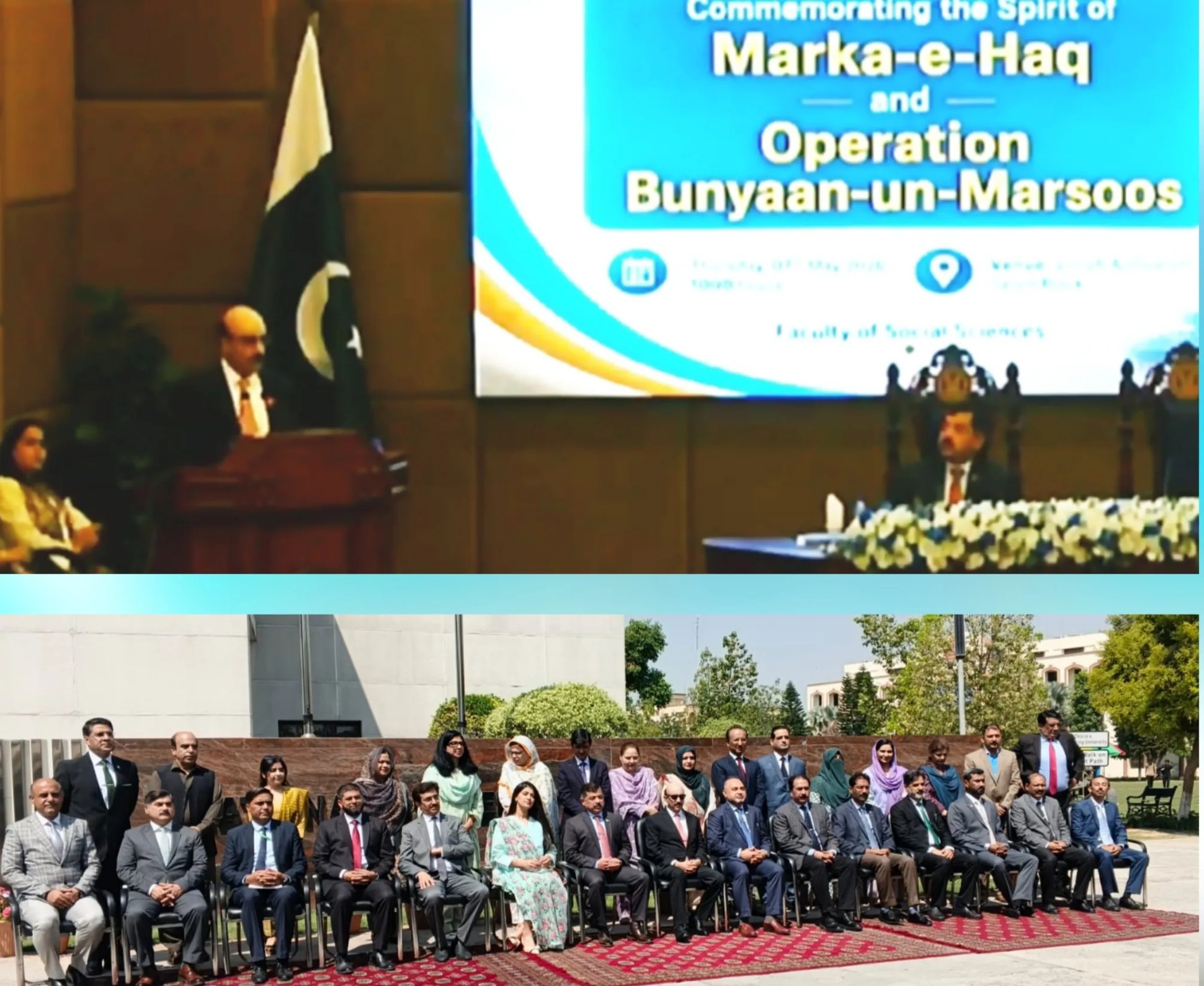
Marka-e-Haq emerged as a defining moment for Pakistan on both military and diplomatic fronts, as the country gained broader international attention and strengthened its position globally during recent tensions with India. Pakistani officials and analysts described the conflict as a major turning point where international opinion did not support Indian allegations linked to the Pahalgam incident. Furthermore, many observers noted that Pakistan successfully presented its narrative before the global community from the very beginning.
The Modi government and sections of the Indian media attempted to blame Pakistan for the Pahalgam attack, but international reactions remained cautious and avoided directly supporting India’s accusations. Countries including the United States, China, Russia, Britain, France and Germany condemned the killing of civilians, yet none publicly held Pakistan responsible for the incident. Instead, several countries encouraged restraint and supported calls for an impartial joint investigation into the attack.
Read more : Nationwide celebrations honor Marka-e-Haq historic victory
Political commentators described this response as significantly different from previous conflicts between Pakistan and India, where Indian diplomatic efforts often gained stronger international acceptance. During the 2019 Pulwama attack, several countries accepted Indian claims and pressured Pakistan despite limited publicly available evidence regarding the incident. However, in Marka-e-Haq, Pakistan managed to maintain stronger diplomatic communication and effectively counter allegations at international forums and media platforms.
Analysts also pointed to the role of global media coverage, arguing that international outlets showed greater caution before endorsing claims made by either side during the confrontation. While Indian television channels strongly promoted accusations against Pakistan, international institutions and foreign governments largely avoided repeating those allegations without verification. Consequently, Pakistan’s position received wider attention and greater credibility during discussions surrounding the regional conflict.
Read more : Marka-e-Haq – Where Pakistan’s air warriors redefined aerial …
Alongside the diplomatic front, Pakistan’s military response during Marka-e-Haq also attracted significant international attention and surprised several defence observers across the world. Officials described the operation as not only a military success but also a victory of strategy, national unity and narrative management during a period of heightened tensions. Moreover, supporters claimed the conflict demonstrated Pakistan’s preparedness and strengthened confidence in the country’s defence capabilities.
Many analysts believe Marka-e-Haq will remain an important chapter in Pakistan’s modern history because of its impact on regional politics and international perceptions regarding South Asian conflicts. Supporters argue that the conflict highlighted Pakistan’s ability to defend its interests while maintaining diplomatic engagement with the international community during a sensitive period. As a result, the episode continues to be presented as a symbol of resilience, strategic maturity and national confidence for future generations.