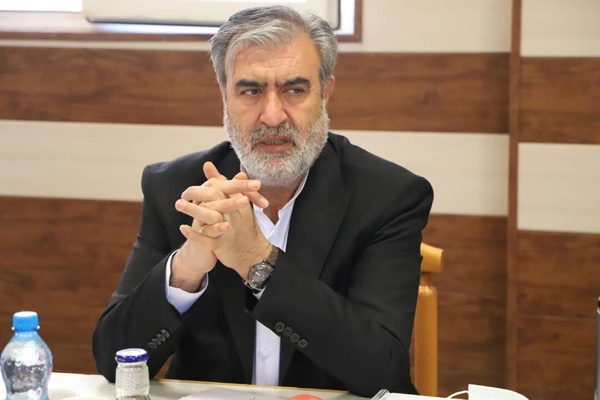
Ebrahim Azizi has called for the implementation of a new maritime system in the Strait of Hormuz, signaling a potential shift in how one of the world’s most critical energy routes is managed.
Read More: Iran opens Strait of Hormuz to commercial shipping
Speaking in Tehran, Azizi, who heads Iran’s national security committee, said the time had come to enforce updated regulations governing maritime traffic through the strait. Under the proposed system, vessels may be required to pay fees and obtain authorization from Iran’s Islamic Revolutionary Guard Corps before passage.
هشدار دادیم، توجه نکردید!
حالا از بازگشت وضعیت تنگه هرمز به قبل لذت ببرید. https://t.co/q1sHJCuL80— ابراهیم عزیزی (@Ebrahimazizi33) April 18, 2026
He indicated that such measures could be introduced in response to what Iran describes as restrictions placed on its own shipping by the United States. Azizi warned that if obstacles for Iranian vessels continue, the situation in the strait could change rapidly.
The Strait of Hormuz, located between Iran and Oman, is a vital global chokepoint through which a significant portion of the world’s oil and liquefied natural gas supplies pass. Any changes to its operational framework could have far-reaching implications for global energy markets and international shipping.
Iranian military officials have also stated that the waterway remains under strict control by the country’s armed forces. Statements from the IRGC emphasized that until restrictions on Iranian maritime activity are lifted, oversight of the strait will remain tight.
Tehran has accused Washington of enforcing a naval blockade under the guise of security, describing it as an act that disrupts free navigation. Iranian officials have used strong language, alleging that such actions amount to maritime interference.
The proposal for a new maritime system comes amid heightened tensions in the region, where recent conflicts and disruptions have already affected both sea and air routes.
Read More: Trump hails Iran decision on Hormuz Strait
Analysts suggest that any formal implementation of new rules in the Strait of Hormuz could further complicate global trade dynamics, particularly for countries heavily dependent on energy imports passing through the route.