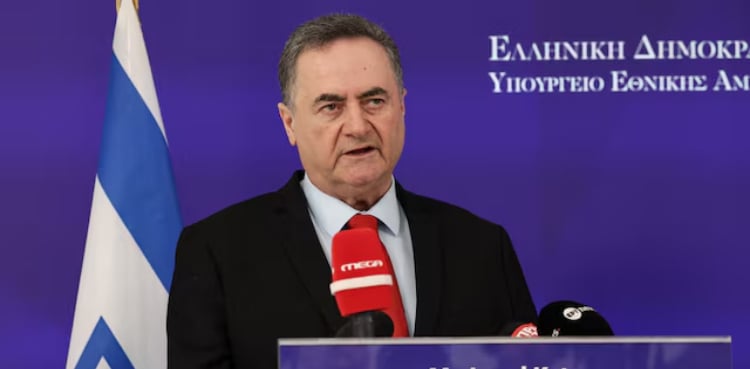
Israel defence leadership has revealed that the decision to target Iran’s Supreme Leader was taken months before the recent escalation in the Middle East conflict, according to remarks by Israeli Defence Minister Israel Katz.
In an interview with Israeli television, Katz said Israel had decided in November to eliminate Iran’s Supreme Leader Ali Khamenei and had initially planned to carry out the operation around mid-2026. However, the timeline was accelerated amid rising tensions in the region.
Read More: Uncertainty grows over Iran’s next supreme leader
Khamenei was reportedly killed during the opening hours of a joint military campaign launched by Israel and the United States last Saturday. The operation marked a rare and dramatic development in modern geopolitics — the assassination of a country’s top leader through an airstrike.
According to Katz, the decision was made during a confidential meeting attended by Prime Minister Benjamin Netanyahu and other senior officials. During the meeting, Netanyahu set the strategic objective of eliminating Khamenei as part of Israel’s broader security strategy.
The plan was later shared with Washington, and discussions intensified earlier this year when unrest erupted inside Iran. Israeli officials feared that growing domestic pressure on Iran’s leadership could trigger attacks on Israeli or American interests across the Middle East.
The strike came as part of a wider U.S.-Israeli military campaign that has expanded into a regional confrontation. Since the operation began, Iran has launched retaliatory attacks against targets in Israel as well as in Gulf countries and Iraq.
Meanwhile, Israeli forces have intensified strikes against the Iran-aligned militant group Hezbollah in Lebanon, further widening the conflict.
Read More: Trump rules out deal with Iran except ‘unconditional surrender’
Israel has repeatedly stated that its primary objective is to eliminate what it describes as an existential threat posed by Iran’s nuclear and ballistic missile programmes. Israeli officials also argue that weakening Iran’s leadership could eventually lead to political change within the country.
Iran’s authorities, however, have shown no indication that they intend to step down or alter their policies despite the escalating confrontation.