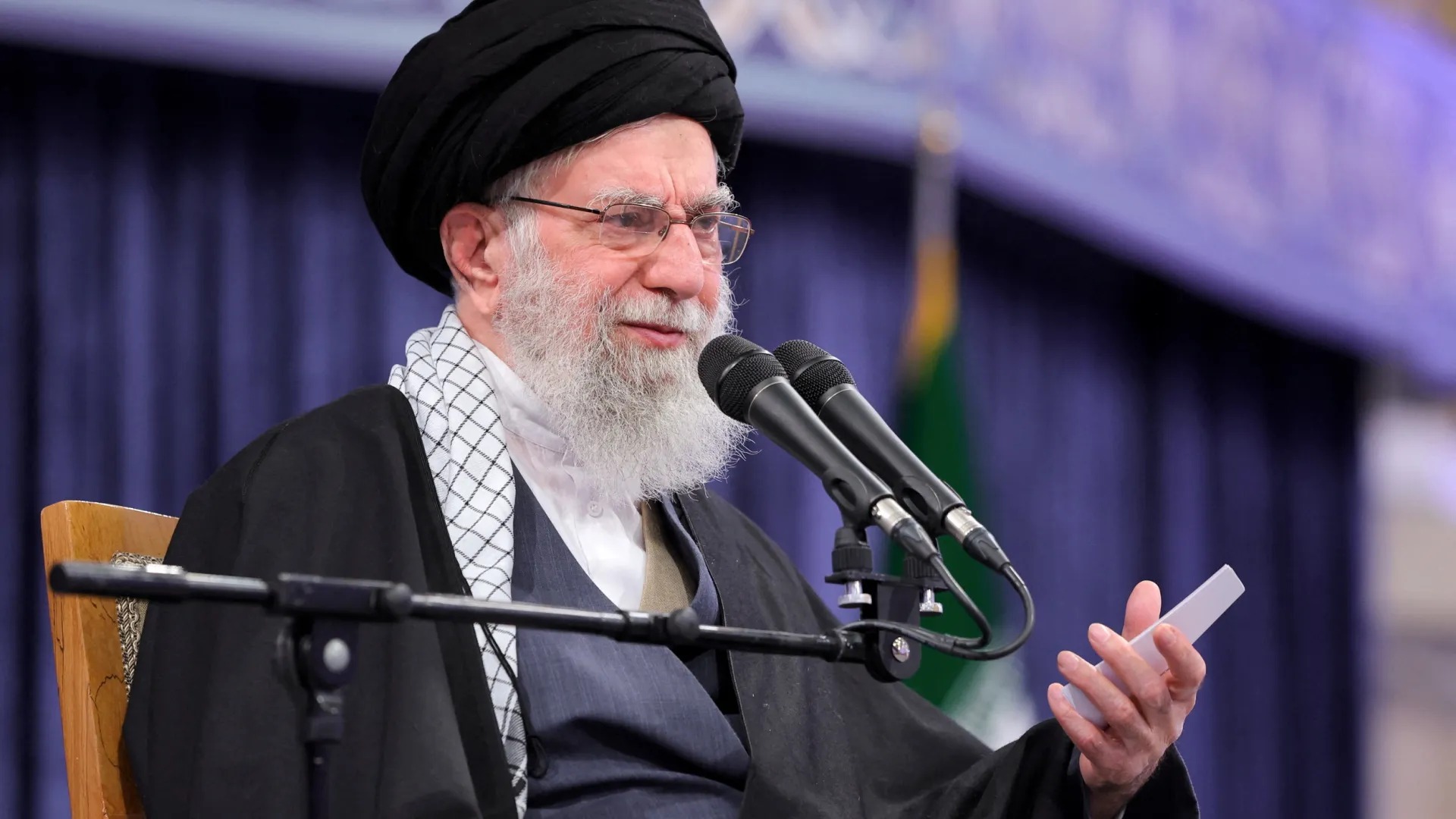
Israeli media outlets have reported that Mojtaba Khamenei, son of Ali Khamenei, has been selected as Iran’s new Supreme Leader, signaling a potential shift in the country’s highest office. According to these reports, a special committee tasked with choosing the next leader has approved his name, and an official announcement could follow within hours. However, no formal confirmation has yet emerged from Iranian authorities. The development, if confirmed, would mark a significant moment in Iran’s political history.
In contrast, Iranian media outlets have presented a different version of events, stating that discussions over the nomination remain ongoing and no final decision has been declared. The Islamic Revolutionary Guard Corps has indicated that the selection process may take approximately one week to conclude. Moreover, state media has suggested that any official announcement would likely be made after funeral proceedings for Ali Khamenei. These conflicting accounts have added uncertainty to an already sensitive transition period.
Read more : Iran strikes U.S. embassy in Saudi Arabia, war expands –
Mojtaba Khamenei is a cleric and political figure who has long been viewed as influential within Iran’s political and security circles. He reportedly participated in the Iran-Iraq War and gradually built strong ties with senior religious and military leaders over the years. Following the disputed 2009 presidential elections, he was accused by critics of influencing security forces during the crackdown on protests. Although he has rarely held a formal public office, observers have often described him as a powerful behind-the-scenes figure.
Born in 1969 in Mashhad, Mojtaba spent part of his childhood in the northwestern cities of Sardasht and Mahabad before continuing his religious education. In 2004, he married Zahra Haddad Adel, further strengthening ties within influential clerical families. Politically, he has been associated with support for former president Mahmoud Ahmadinejad during key moments in Iran’s recent history. His alignment with conservative factions has shaped perceptions of his potential leadership style.
Read more : Iran death toll hits 787 as airstrikes intensify
Furthermore, the United States imposed sanctions on Mojtaba Khamenei in 2019, citing concerns over his role within Iran’s political structure and regional policies. If he formally assumes the position of Supreme Leader, his leadership could have far-reaching consequences for Iran’s domestic governance and foreign relations. Regional observers are closely watching how the succession unfolds amid heightened geopolitical tensions. Until an official announcement emerges from Tehran, the situation remains fluid and closely monitored worldwide.