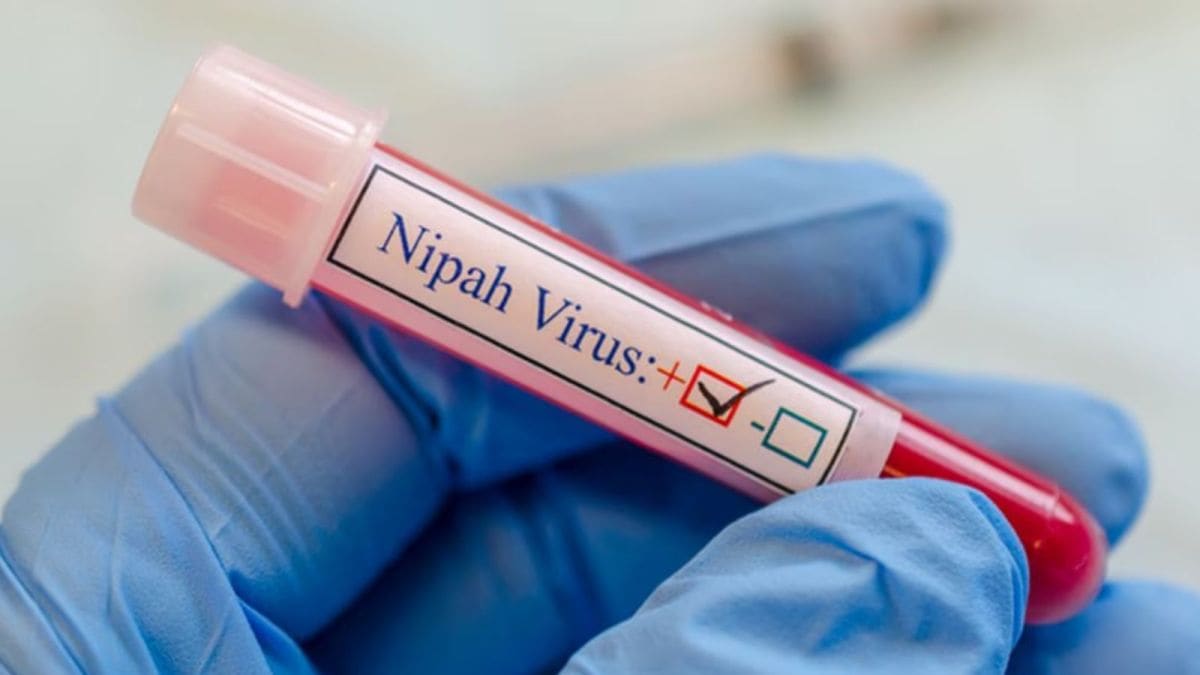
GENEVA/NEW DELHI: The World Health Organization (WHO) on Friday said the risk of the deadly Nipah virus spreading from India remains low, following reports of two infections in the country. The UN health agency added that it does not recommend travel or trade restrictions at this time.
Read More: Sindh urges border surveillance amid Nipah virus outbreak in India
Several Asian nations, including Pakistan, Hong Kong, Malaysia, Singapore, Thailand, and Vietnam, have stepped up airport screening after India confirmed the infections.
“The WHO considers the risk of further spread of infection from these two cases is low,” the agency told Reuters. It noted that India has the capacity to contain such outbreaks and that there is currently no evidence of increased human-to-human transmission. WHO has been coordinating closely with Indian health authorities.
After two nurses in West Bengal, India, tested positive for #Nipah virus infection, the central and state government health agencies have enhanced surveillance, laboratory testing, and field investigations.
196 contact persons linked to the confirmed cases have been identified,… pic.twitter.com/l5miVTrZe7
— World Health Organization South-East Asia (@WHOSEARO) January 29, 2026
Nipah virus, carried by fruit bats and other animals such as pigs, can cause fever and severe brain inflammation, with a fatality rate of 40–75%. There is no approved treatment, though vaccines are under development. The virus spreads to humans through direct contact with infected animals or their contaminated fruit, and human-to-human transmission is uncommon, typically requiring prolonged contact.
India has regularly reported sporadic Nipah infections, particularly in Kerala, one of the world’s highest-risk regions for the virus. The current outbreak in West Bengal marks the seventh documented Nipah outbreak in India and the third in the state, which borders Bangladesh—a country that experiences outbreaks almost annually.
Read More: Govt orders screening of travellers in view of Nipah virus threat
The two infected health workers in West Bengal, who fell ill in late December, are receiving hospital treatment. While the WHO did not rule out further cases, virologists say the risk to the general population remains low. The virus is classified as a priority pathogen due to its high mortality, absence of licensed vaccines or treatments, and potential to mutate into a more transmissible form.