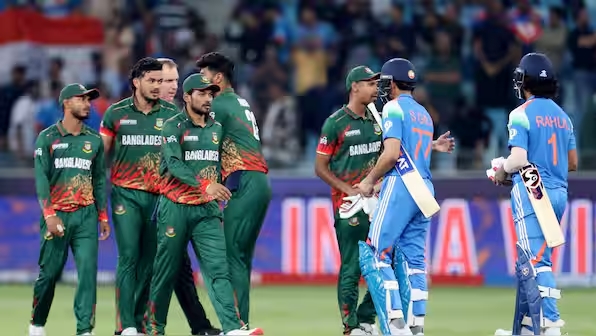
India’s T20 World Cup preparations have been overshadowed by a diplomatic row with Bangladesh, raising concerns about the country’s global sports ambitions. Bangladesh refused to play matches in India, citing security concerns, while the ICC rejected a request to move the games to Sri Lanka.
With barely two weeks before the tournament, organizers face uncertainty, and Scotland may be drafted to replace Bangladesh just days before the opening match.
Bangladesh Cricket Board President Aminul Islam Bulbul stressed that his team wants to participate but not on Indian soil, warning that exclusion of a major cricket-loving nation would hurt the sport globally. ICC officials maintained there was no credible threat to move the matches, insisting they aim to protect the collective interests of cricket.
Read more: Bangladesh refuse to go to India for T20 World Cup
Meanwhile, India continues to pursue hosting the 2030 Commonwealth Games and is bidding for the 2036 Olympics, with cricket returning to the Olympics in 2028.
The dispute reflects India’s dominant role in global cricket, with the BCCI controlling vast revenues and decision-making power over the sport. Journalists argue that politics now heavily influence cricket, citing the removal of Bangladeshi fast bowler Mustafizur Rahman from an IPL team after online protests. Tensions escalated due to strained India–Bangladesh relations following political upheaval in Dhaka in 2024.
Read more: Bangladesh refuses to play T20 World Cup in India
Experts say the ICC is effectively under India’s influence, leaving little room for smaller cricket nations to challenge its decisions. Bangladesh advocates for fair treatment, comparing its case to Pakistan, which was allowed to play all Champions Trophy matches in Sri Lanka when India refused to travel to Islamabad. Sports analysts warn that continued politicization risks damaging cricket’s credibility and alienating fans in key markets.
The controversy has cast a shadow over India’s global sports ambitions, complicating plans to showcase its hosting capabilities ahead of major international events. With cricket central to India’s culture, economy, and international image, resolving the dispute quickly will be critical for both the World Cup and the country’s long-term Olympic goals.