KARACHI: Sindh is preparing a comprehensive new water law aimed at replacing colonial-era legislation and creating an integrated framework for water resource management. The proposed Sindh Water Resource Management Law seeks to govern canals, drainage systems, groundwater, and wetlands, while addressing climate change, environmental concerns, and disaster mitigation.
Read More: Flowing Forward: Indus water management for a prosperous Pakistan
The draft law, developed under the Sindh Irrigation Department (SID) with support from the World Bank-funded SWAT project and UNFAO experts, will merge the Sindh Irrigation Act 1879 and the Sindh Water Management Ordinance 2002. It will also redefine the roles of the Sindh Irrigation and Drainage Authority (SIDA) and the Irrigation Department, which may be renamed Sindh Water Resource Management Department (SWRMD).
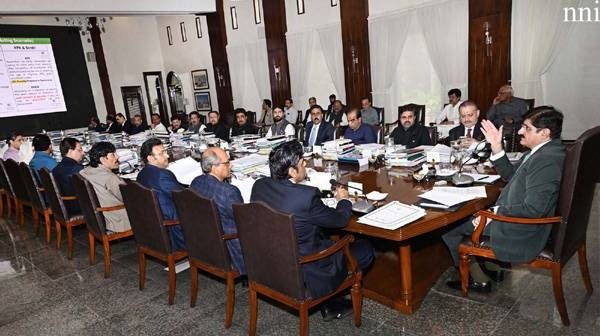
Sindh Chief Minister Syed Murad Ali Shah, presiding over an important review meeting, assessed ongoing development projects, emphasised irrigation infrastructure and agricultural growth vital for the province’s economy, and directed concerned departments to ensure timely… pic.twitter.com/5Y9gS0SxU1
— Sindh Information Department (@sindhinfodepart) January 10, 2026
Key features include strengthening participatory irrigation management, establishing a Sindh Water Fund for sustainable financing, and creating a Sindh Water and Research Academy to enhance institutional capacity. A Reform Management Unit is also proposed to coordinate all major water sector projects and ensure evidence-based decision-making.
Since 2002, parallel irrigation systems have operated in Sindh, with SIDA managing Area Water Boards and Farmer Organisations separately from SID. The Sindh Water Policy 2023 criticised this dual management and called for integration. The new law is expected to streamline governance, improve water pricing and usage, and foster equitable distribution while protecting vital ecosystems.
Read More: Sindh to introduce new law for equitable water distribution
Sindh Irrigation Minister Jam Khan Shoro and Secretary Zarif Iqbal Khero confirmed that the draft would soon be shared with stakeholders for review, with completion expected by February 2026. “We aim for a broader and more integrated law to ensure better institutional reforms in Sindh’s irrigation sector,” Khero said.