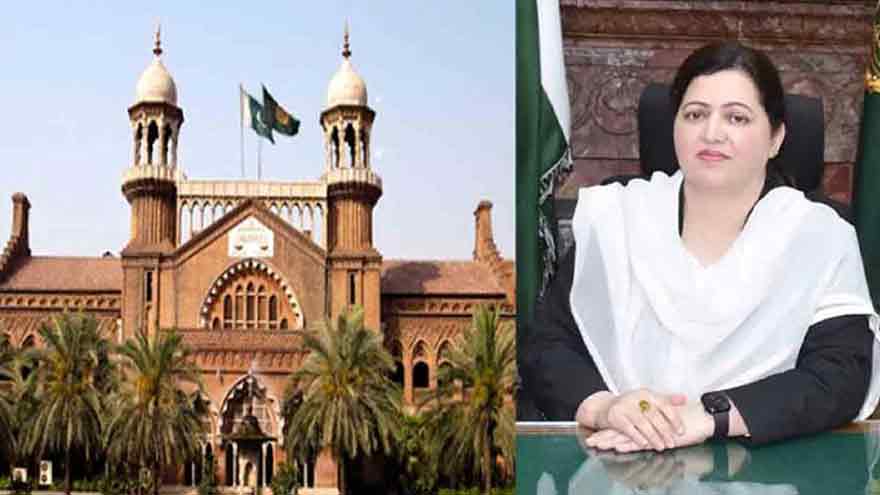
LAHORE: Lahore High Court Chief Justice Aalia Neelum on Monday issued an interim order suspending the Punjab Protection of Ownership of Immovable Property Ordinance, 2025. The ordinance, which empowers deputy commissioner-led committees to decide land property disputes, has faced legal challenges by citizens including Abida Parveen.
Read More: Punjab govt readies law to take on land–property mafia
The interim order also halts decisions taken under the new legislation to take possession of properties. During the hearing, Justice Neelum questioned how revenue officers could hand over property already involved in civil court proceedings.
LHC CJ Aalia Neelum suspended the operation of the newly enacted Punjab Protection of Ownership of Immovable Property Ordinance, 2025, which empowers deputy commissioner-led committees to decide property disputes. https://t.co/45iCW8LFvc
— Ajmal Jami (@ajmaljami) December 22, 2025
“Someone should inform the government that if this law remains in force, even Jati Umra could be vacated within half an hour,” she remarked, highlighting concerns over the potential misuse of powers. She added that the law undermined civil rights, judicial supremacy, and the existing civil setup.
The judge further observed that under the new law, affected individuals would have no right to appeal and the high court could not grant a stay. She criticised the ordinance for giving authority to officials who, she said, “seem to have developed a desire to become judges.”
The hearing saw the presence of the Punjab chief secretary and other government officials. However, the Punjab advocate general did not appear, citing illness, which drew a remark from Justice Neelum about her own health and her commitment to preside over proceedings.
Read More: Maryam Nawaz launches ordinance to end land grabbing in Punjab
Justice Neelum announced that a full bench would be constituted to hear the matter in detail. The ordinance, approved by Punjab Chief Minister Maryam Nawaz on October 31, mandates the resolution of land disputes within 90 days. It has also faced scrutiny over the role of the Punjab Enforcement Regulatory Authority (Pera) and revenue officials in property matters already pending in courts.