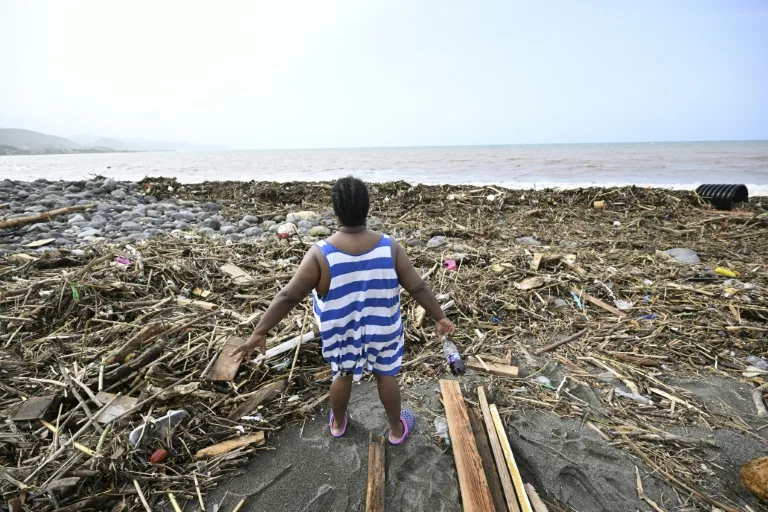
The United Nations has warned that wealthy nations are failing to deliver on their financial commitments to help developing countries cope with worsening climate-related disasters. The UN Environment Programme (UNEP) revealed in its latest Adaptation Gap report that international funding aimed at protecting vulnerable nations from floods, storms, and rising sea levels has drastically fallen short of promises made under global climate agreements.
Efforts to adapt to climate change — including building flood defenses, improving irrigation, and developing drought-resistant crops — will be a key focus at the upcoming UN climate summit in Brazil on November 10. However, the report highlights that climate impacts are accelerating far faster than the financial support available, leaving many poor countries exposed to deadly weather extremes.
Read more : UN urges restraint after Pakistan-Afghanistan talks collapse in Istanbul
UN Secretary-General Antonio Guterres described adaptation funding as “a lifeline, not a cost,” urging nations to deliver on their 2021 pledge to double annual adaptation finance to around $40 billion by 2025. Instead, global adaptation funding dropped from $28 billion in 2022 to $26 billion in 2023, with little indication that the downward trend will reverse soon.
UNEP Executive Director Inger Andersen warned that developing countries will need more than $310 billion annually by 2035 to address the increasing effects of climate change — nearly 12 times the current level of funding. She added that delayed action will only deepen human suffering, economic losses, and environmental destruction, especially in countries already burdened by high debt and repeated natural disasters.
Read more : Pakistan calls for fair access to nuclear technology at UN
Meanwhile, experts stress that private sector involvement could help fill part of the financing gap, potentially contributing up to $50 billion annually. However, this requires supportive government policies and safeguards to prevent further debt burdens on developing nations. Andersen emphasized that investing in adaptation today will save trillions in the future, warning that “failing to act now will lead to escalating costs, broken economies, and shattered communities.”
As the world heads toward COP30, Brazil’s climate summit president Andre Correa do Lago vowed that adaptation would finally take center stage. He stated that for too long, adaptation had been “relegated to the background,” but the growing threat of climate disasters now makes it an urgent global priority.