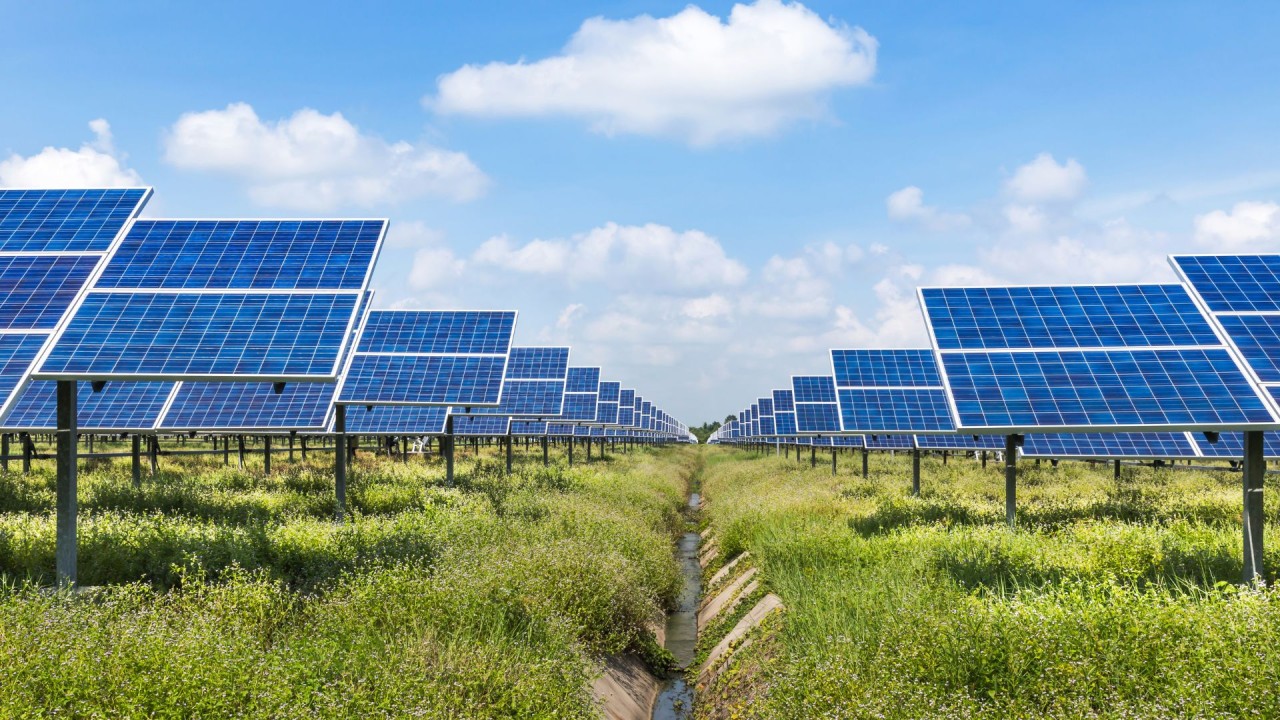
The Pakistani government has included two major solar energy projects—totaling 2,800 megawatts—in its 2025–2035 power expansion plan. The proposed projects, located in Jhang and Muzaffargarh, are expected to be developed with Saudi energy firm ACWA Power under a possible government-to-government agreement. Each project will produce 1,000 MW and 1,800 MW respectively, and will be finalized after approval from NEPRA, the country’s energy regulator.
Initially, ACWA Power had declined to move forward in 2023 due to security concerns in Pakistan. However, interest resumed following a visit by a Saudi delegation and direct engagement with the Special Investment Facilitation Council (SIFC). Pakistan’s embassy in Riyadh has since worked to rebuild investor confidence. The revived talks suggest a growing willingness from both sides to collaborate on renewable energy.
Despite the progress, some hurdles remain. Saudi officials have voiced concerns about how another Saudi firm, Al-Jomaih, has been treated in its partnership with K-Electric. This has created hesitation among Saudi investors considering future ventures in Pakistan. Deputy Prime Minister Ishaq Dar is personally overseeing the issue to maintain momentum in Saudi-Pakistan investment relations.
The inclusion of the projects in the IGCEP signals a serious push by the Pakistani government toward clean energy. It also reflects a broader effort to reduce reliance on fossil fuels and invite long-term foreign investment in the power sector. These projects, if realized, would mark a major step toward achieving sustainable energy goals.
Still, regulatory transparency and investor protections will be crucial. The government’s ability to address Saudi concerns could determine the fate of this multibillion-dollar partnership, which holds the potential to reshape Pakistan’s renewable energy landscape.