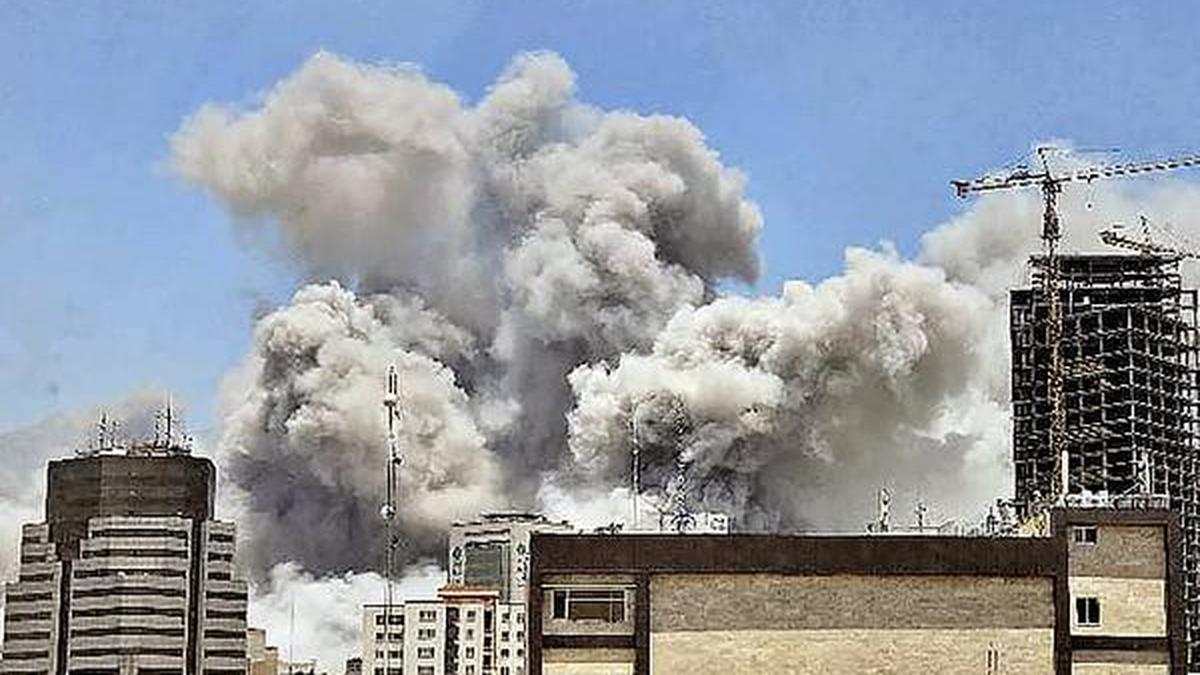
Iranian media reported two loud explosions in Tehran early Tuesday morning. Israeli forces targeted critical radar systems despite the recent ceasefire agreement. According to Iranian officials, Israel struck several key locations across the country, heightening fears of renewed conflict. These attacks came just hours after the ceasefire was announced, undermining fragile peace efforts.
U.S. President Donald Trump voiced strong anger at both Israel and Iran over the ceasefire violations. He specifically blamed Israel for launching bombings immediately after agreeing to the ceasefire terms. Trump warned Israel to recall its pilots and stressed that any further strikes on Iran would be a serious breach of the agreement. His comments reflect growing frustration with the escalating violence.
Before leaving for a NATO summit, Trump told reporters that both countries had broken the ceasefire within hours of its announcement. He described Israel’s sudden attack as the largest he had witnessed right after a peace deal. This rapid escalation surprised many and increased tensions in the already volatile region, raising fears of a wider war.
Meanwhile, Iran and Israel continue to accuse each other of violating agreements and escalating hostilities. Diplomatic efforts to ease tensions have stalled, and the situation remains unstable. The international community has expressed concern and is urging both sides to return to negotiations to avoid further bloodshed.
Despite diplomatic efforts, violence has quickly resumed, showing how fragile the ceasefire really is. Both sides appear ready to continue fighting, and the risk of a full-scale war grows with each passing day. Global leaders now face mounting pressure to step in and prevent further escalation.