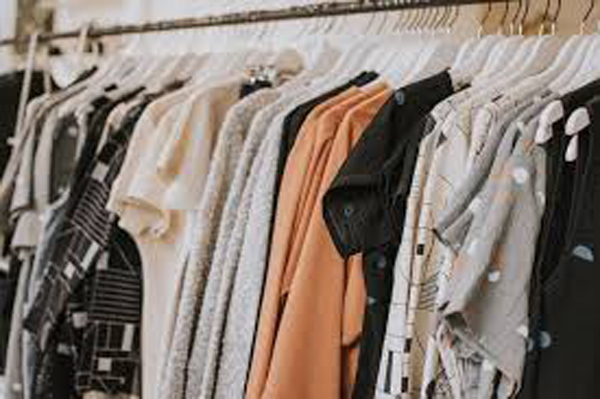
In an increasingly apparel conscious society, the concept of fast fashion has become extremely popular. It is a concept that depends on the streamlined distribution of lower quality clothes at cheaper costs that tend to sell faster. Every season calls for new clothes. Brands release new collections several times a year from brightly coloured florals in spring to elaborately designed wedding clothes in winter. Consumers are able to purchase new and trendy clothes without straining their pockets while brands continue to make quick profits from metabolised trends.
Fast fashion is a trend that reaps some short-term benefits, including abundant quantities of cheap clothes but raises generations of problems i.e. the devastating impact on our environment. The fashion industry not only puts a gross strain on already depleting water sources and agricultural land but mounds of clothes are discarded in landfills every year, polluting our lands.
Much of the underwater invasion of microfibers stems from the clothing made from synthetic fabrics
When it comes to individuals trying to become more eco-friendly to protect the environment, thoughts generally turn to minimising the carbon footprint by reducing air and car travel and lessening factory pollution. While these factors are fundamental towards an eco-friendly shift, changes in our lifestyle are generally overlooked, especially regarding reduced consumerism.
The hazardous impact of fast fashion can be illustrated by understanding the following examples. Firstly, the textile production industries around the world produce 1.2 billion tonnes of carbon dioxide yearly, which is more than the carbon dioxide produced by both international flights and maritime shipping. Additionally, the water used to produce one cotton shirt requires 700 gallons of water, which is equivalent to eight glasses of water every day for one person for up to three years, whereas manufacturing a pair of jeans requires 2000 gallons of water, which is enough for one person to drink 8 glasses of water for ten years.
 Likewise, the words “plastic pollution” generally evokes images of ruined fishing nets and discarded plastic bottles polluting waters. However, this imagery alludes that plastic pollution is only visible to the naked eye.
What we do not see are the microfibers, subcategories of microplastics that resemble thin strands of hair. Much of the underwater invasion of microfibers stems from the clothing made from synthetic fabrics. It is interesting to note that regular washing cycles of bulk loads release 500,000 tons of microfibers into the sea annually which is roughly equal to releasing 50 billion plastic bottles into the sea. The International Union for Conservation of Nature reported that these microfibers contribute to about 35 per cent of the microplastic pollution in the oceans.
Despite such a hazardous impact of fast fashion, Pakistan’s fashion industry releases multiple collections each year just to maximise profit. In this money-making race, designers produce clothes that sell fast but end up being discarded after a few wears. Considering the environmental impacts of the fashion industry, it can be regarded as a unique “ecosystem” in which everyone feels happy to destroy the environment! It needs to be changed. It requires new and evolved creative methods of designing and developing clothes that keep our environment clean.
We need to take responsibility for our daily choices. We should commit to purchasing less and consider the fabrics used. Although fabrics like polyester are commonly used, it is the biggest contributor to microplastic pollution. Approximately 70 billion barrels of oil are used to make polyester each year and since the production of polyester uses harmful chemicals including carcinogens which when emitted into air or water can cause significant environmental damage. We need to make conscious efforts to buy better quality clothes from organic materials or recycled fabric. Instead of discarding old clothes we can donate clothes and adopt second-hand trends. It is also important to be aware of the brands we buy from and the policies they practice. We may also ask these questions: Are they transparent about the materials they use? Do they practice ethical fashion? Do they take initiatives to become more sustainable? It can help us determine if a certain brand is fostering change for greater ecological integrity.
Our environment is depleting fast. According to Germanwatch, Pakistan ranks in the top ten countries considered most vulnerable to climate change. It presents serious policy challenges in Pakistan. Some of the biggest cities in the country like Lahore and Karachi are impacted greatly by air pollution and cities sink in smog which persists throughout the winter months. Countrywide water scarcity and polluted land areas also present a major hurdle. The polluted environment negatively impacts health, agriculture and the economy. Thus, it is important to address an environmental challenge. The consumers need to recognise their power and push the fashion industry to follow environment-friendly policies. The government should provide specific guidelines for both the industry and consumers to move towards adopting sustainable fashion. Individuals should shift to slow fashion changing their lifestyle like buying second-hand clothes to donating old clothes and purchasing biodegradable fabrics or reducing the number of clothes. It would not only benefit the environment but also shift the direction of the fashion industry towards more sustainable methods and encouraging less consumerism.
The writer is freelance writer