 Pakistani dramas are well known for being realistic and less melodramatic. In the recent past, we have witnessed a plethora of social issues that have been well received by viewers. This, of course, is a welcoming change. And behind this change is an army of great scriptwriters, directors and production houses who are pushing limits and giving us some unique stories.
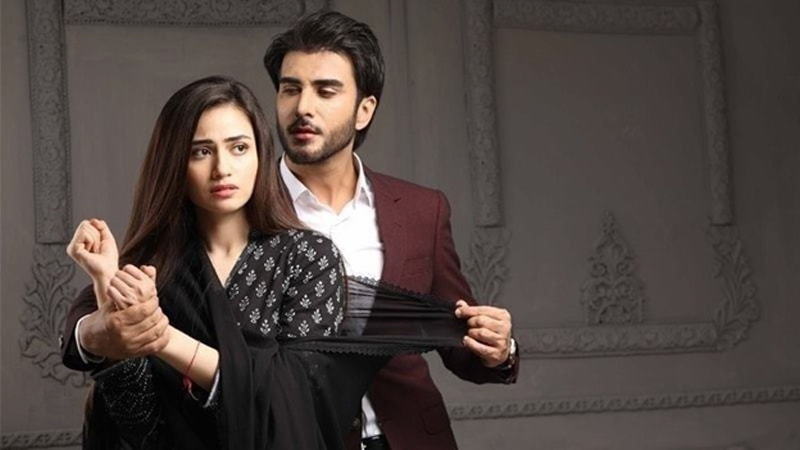
After a long time, we got a drama that broke the silence at the sensitive topic of harassment. ‘Darr Khuda Say’ (DKS) dared to explore the dark reality of ‘workplace harassment.’ It gave us a much-needed relief from the fiasco’s of ‘Saas-Bahu, Talaq, Dosri Shaadi, Halala’ and I can go and on. Choosing a bold theme, getting a superb cast and a stellar set of performances, bringing two of the most bankable stars Sana Javed and Imran Abbas together, that’s the magic of 7th Sky Entertainment. The production house yet again proved their excellence by showcasing the relevance of #MeToo in Pakistan at the prime time slot. Abdullah Kadwani and Asad Qureshi have always backed projects with the substance that not only entertains but, most importantly, educates the viewers.
A quick recap: Afreen (Sana Javed) a young and innocent hgirl who wishes to lead a happy yet simple life. She is self-sufficient and supports her family. She soon faces the bitter realities of life when her boss Shavaiz (Imran Abbas) a sexual predator who not only harasses but blackmails her too. Despite the difficulties, Afreen stays calm and strong to support her family and prove that she isn’t guilty.
A quick recap: Afreen is a young and innocent girl who wishes to lead a happy yet simple life. She is self-sufficient and supports her family
The taboo of harassment is strongly prevalent in society and affects young girls at offices and households. The campaign #MeToo movement arrived in Pakistan in 2018 and encouraged many female celebrities to share their personal stories. What’s disappointing is the fact that such issues are mostly brushed under the carpet. DKS depicted a fascinating illustration of what precisely a sexual contact at the workplace looks like, how to face it, and what are its consequences. DKS proved that a good storyline is enough to leave an imprint on the viewers rather than going overboard just to get TRP’s. It also highlighted the plight of ‘unmarried and divorced daughters considered as a burden’ in our society.
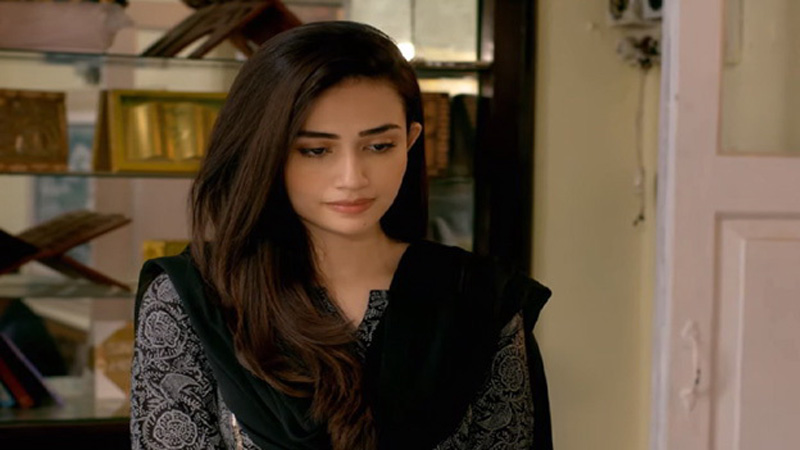 Indeed, the culture of misogyny is depicted as deep and entrenched. Director Anjum Shehzad emphasized on situations; how a culture of misogyny becomes embedded in workplace practices, where senior male figures abuse positions of power. Promises of promotion and threats of job loss are used to coerce and frighten women into accepting unwanted sexual advances.
Writer Sarwad Nazir excels in fleshing out real and raw nuances of the characters. In a role that doesn’t demand to be glamorous, Sana Javed effortlessly managed to hold the viewers’ attention throughout. Her eyes spoke; she was terrifying and formidable in combat. All of this, every moment in the drama, was on Javed’s shoulders, and she delivered something more complex than any word I might use to describe it.
Getting an emotional response from audiences is no easy task. Right from the outset, DKS kept the audience hooked with every episode, completely justified its title and beautifully narrated to the viewers with its unique subject as the icing on the cake. The last episode is all set to air on March 24. Will Afreen get the life she has always dreamed of? Let’s wait and watch!