Britain announced new sanctions on Monday targeting Russian cyber networks accused of carrying out disruptive cyber and hybrid operations across Europe. The measures target individuals and entities allegedly linked to Russian intelligence services. The coordinated action aims to strengthen European security while increasing pressure on Moscow amid ongoing tensions.
The British government said the sanctions apply to 24 individuals and organisations connected to destructive cyber activities and proxy networks. It also sanctioned senior GRU officials Vyacheslav Stafeyev, Ivan Senin, and Ivan Kasyanenko. According to London, they played leading roles in directing Russian cyber and hybrid threat operations. Russia’s embassy in London did not immediately comment on the announcement.
Read more: UK slaps more sanctions on Russian, Belarus entities
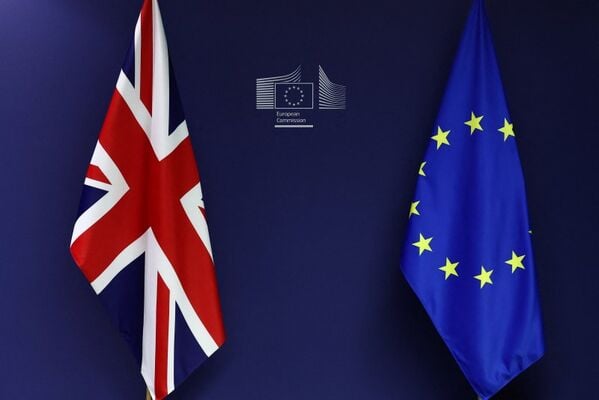
The sanctions were introduced in coordination with the European Union. However, EU foreign policy chief Kaja Kallas said member states had not yet reached agreement on a broader 21st sanctions package against Russia. She expressed hope that ministers would approve an additional 250 individuals and entities for inclusion on the bloc’s sanctions list.
Kallas said discussions on the wider sanctions package were continuing because several issues remained unresolved. Lithuanian Foreign Minister Kestutis Budrys said negotiations were still underway over proposed restrictions on maritime services and tighter measures targeting Russian liquefied natural gas. He warned that economic interests should not outweigh Europe’s long-term security priorities.
Read more: UK relaxes some sanctions on Russian fuel imports
The latest sanctions reflect continued Western efforts to increase pressure on Russia through financial, diplomatic, and cyber-related measures. Britain and the European Union have repeatedly expanded sanctions since the conflict in Ukraine began. Officials say coordinated action remains essential to counter cyber threats and reinforce regional security.