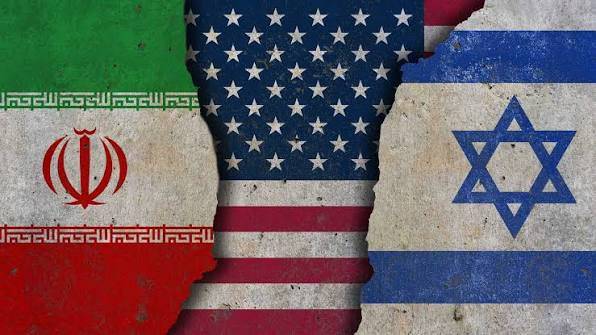
Israel is seeking approval from US President Donald Trump to launch potential military strikes against Iran as tensions between Washington and Tehran continue to escalate, according to multiple media reports. Israeli officials also believe the current confrontation could continue for several days or even weeks. The reports come as regional mediators intensify efforts to prevent a wider conflict.
According to Israel’s public broadcaster Kan 11, the ongoing exchange of fire remains limited to the United States and Iran, with Israel not directly involved. The report said Israeli officials expect the confrontation to continue in the coming days while monitoring developments closely. Separately, the New York Post, citing Israeli sources, reported that Israel would be prepared to support future US military operations if Washington requested assistance.
Read more: Iran, Israel halt strikes at Trump’s request
Israeli sources quoted in the report said the country was prepared to act alongside the United States if necessary, despite concerns about renewed missile attacks and the possibility of civilians returning to bomb shelters. At the same time, officials reportedly believe Washington currently prefers to keep Israel out of the direct confrontation. Assessments cited by the Israeli newspaper Haaretz suggest the conflict’s duration remains uncertain.
Meanwhile, diplomatic efforts to reduce tensions have gained momentum. According to CNN, Qatar and Pakistan are working to bring the United States and Iran back to the negotiating table, while Israeli media reported that Türkiye is also participating in mediation efforts. Israeli officials reportedly believe Iran is unlikely to target Israel immediately but say the military remains prepared if the conflict expands.
Read more: Iran strikes US bases after fresh American attacks
The office of Israeli Prime Minister Benjamin Netanyahu confirmed that Netanyahu held another telephone conversation with President Trump on Thursday. According to the statement, the two leaders agreed to maintain close coordination on regional developments and continue consultations as the security situation evolves.